Content Attributes
If you’ve ever looked at your trash bin and wondered, “Where does all of this actually go?”, you’re already thinking like someone ready for a zero waste lifestyle. This way of living is about sending as little rubbish as possible to landfills and incinerators by rethinking what you buy, how you use it, and how you dispose of it. Instead of aiming for instant perfection, the focus is on progress: one swap, one habit, one room at a time.
In simple words, a zero waste lifestyle encourages you to refuse what you don’t need, reduce what you use, reuse what you can, recycle correctly, and let the rest rot (compost). These ideas help you cut plastic, food waste, and unnecessary clutter, while also saving money and protecting the environment.
This guide will walk you through:
- What the zero waste lifestyle really means
- Zero waste lifestyle benefits you can feel in daily life
- Practical zero waste lifestyle ideas for every room
- Real-life zero waste lifestyle examples
- A step-by-step plan so you can start today
You’ll also find image ideas for each step, so you can easily visualize (and later design) graphics for your blog or social media.
What Is a Zero Waste Lifestyle?
A zero waste lifestyle is a way of living where you actively try to avoid creating waste in the first place. Instead of thinking “How do I recycle this?” at the end, you start by asking “Do I really need this item, this packaging, or this product at all?” It’s less about being perfect and more about being intentional with what you bring into your home and how you let it leave.
Most people follow the “5 Rs” of zero waste, which give a simple structure to this lifestyle:
- Refuse what you don’t need (freebies, flyers, extra packaging).
- Reduce what you do need (buy less, choose quality over quantity).
- Reuse what you already have (jars, containers, bags, bottles).
- Recycle only what cannot be refused, reduced, or reused.
- Rot (compost) food scraps and other organic waste.
You can think of a zero waste lifestyle as a mindset shift. Instead of seeing waste as “normal,” you start seeing it as an opportunity to change your habits. For example, instead of buying plastic water bottles every week, you invest once in a sturdy reusable bottle and refill it. Overnight transformation is not required—small steps are enough.
Another important part of this lifestyle is understanding systems, not just products. For example, buying “eco-friendly” items wrapped in layers of plastic doesn’t make sense if your main goal is reducing waste. Zero waste thinking asks you to look at the full cycle: how the item is made, how long it lasts, and what happens when you’re done with it.
This lifestyle is also deeply connected with community. Many people share tips, swap items, and support each other through local groups, workshops, or online communities focused on zero waste living. These spaces make it easier to find resources, from bulk stores to DIY cleaning recipes.
21 Best Zero Waste Lifestyle Ideas
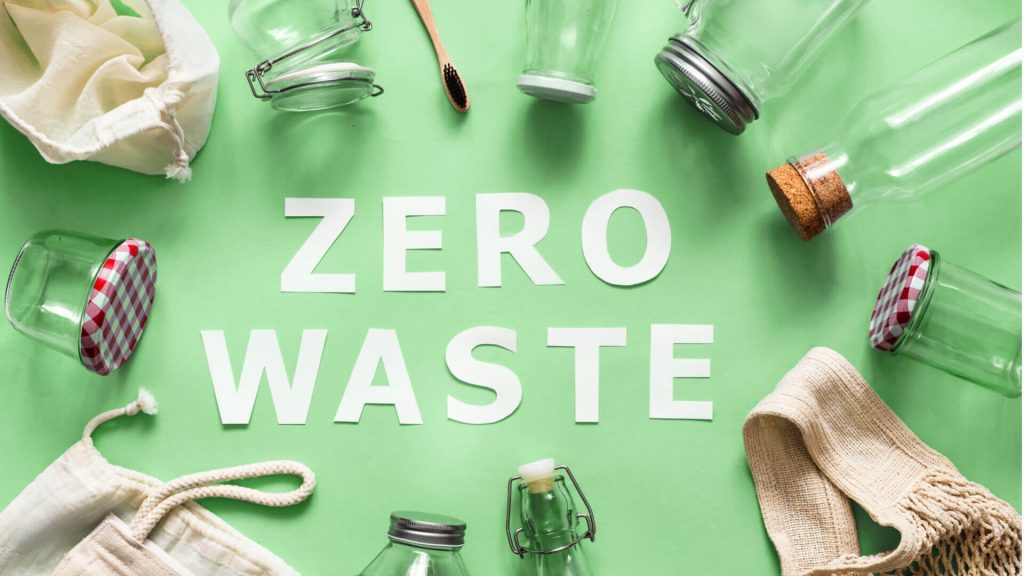
- Carry a Reusable Water Bottle Everywhere: Stop buying plastic water bottles and refill a stainless steel or glass bottle instead.
- Use Cloth Shopping Bags Instead of Plastic: Keep 2–3 cloth or jute bags in your car, bike, or near the door so you never forget them.
- Buy in Bulk With Your Own Containers: Purchase grains, nuts, pulses, and snacks from bulk sections using jars or cloth bags.
- Switch to Glass or Steel Food Storage: Replace plastic containers with glass jars, steel tiffins, or reused glass bottles.
- Say No to Single-Use Cutlery and Straws: Carry a small kit with a spoon, fork, and metal or bamboo straw.
- Choose Bar Soap and Shampoo Bars: Ditch plastic bottles and use solid soap and shampoo packaged in paper or without packaging.
- Use a Bamboo Toothbrush: Swap plastic toothbrushes for bamboo ones with compostable handles.
- Start a Simple Compost Bin: Turn fruit peels, vegetable scraps, and coffee grounds into compost instead of trash.
- Replace Paper Towels with Cloth Rags: Use old T-shirts or small towels for spills and cleaning instead of disposable paper.
- Cook at Home and Avoid Takeaway Packaging: Pack lunch in your own containers and choose dine-in instead of delivery when possible.
- Shop Second-Hand for Clothes and Furniture: Visit thrift stores or online resale platforms before buying brand new items.
- Repair Before You Replace: Fix clothes, shoes, and gadgets when possible—sew, glue, or visit a local repair shop.
- Refuse Freebies and Promotional Stuff: Politely say no to free pens, flyers, keychains, and plastic goodies you don’t really need.
- Use Reusable Menstrual Products: Try menstrual cups, period underwear, or cloth pads if they’re comfortable for you.
- Print Less and Go Digital: Use notes apps, PDFs, and cloud storage instead of printing documents and tickets.
- Switch to Refillable Cleaning Products: Make DIY cleaners (vinegar + water) or buy from refill stations using your own bottles.
- Plan Meals to Reduce Food Waste: Make a weekly menu, buy only what you need, and use leftovers creatively.
- Choose Products with Minimal or Recyclable Packaging: Prefer glass, metal, or paper packaging over multi-layer plastics.
- Use Reusable Coffee Cups and Bottles On-the-Go: Bring your own mug for take-away coffee and refill at cafés that allow it.
- Host Swap Parties with Friends and Neighbours: Exchange books, clothes, toys, and decor instead of buying new ones.
- Start a “Low Waste Corner” at Work or School: Keep shared mugs, a water filter, and recycling bins to inspire others to join in.
Zero Waste Lifestyle Benefits You’ll Notice
The phrase zero waste lifestyle benefits covers much more than just “helping the environment.” While reducing trash is central, you’ll also see positive changes in your budget, health, and even mental wellbeing. Let’s look at the main advantages.
Environmental Benefits
The most obvious benefit is environmental. Sending less waste to landfills and incinerators means less pollution, fewer greenhouse gas emissions, and lower demand for new landfill sites. When you refuse single-use plastics, you also help protect oceans, rivers, soil, and wildlife from plastic litter and microplastics.
Every time you refill a bottle or bring your own bag, you are reducing the hidden energy, water, and raw materials used to make new products and packaging. One person’s actions may feel small, but when thousands of people adopt a zero waste lifestyle, the overall impact becomes powerful.
Financial Benefits
Many guides highlight that zero waste lifestyle benefits include saving money. When you switch to reusables—like cloth napkins, durable lunch boxes, safety razors, or menstrual cups—you pay once but use them for years. You also tend to buy less overall, because you become more mindful and avoid impulse purchases.
Common money-saving changes include:
- Cooking at home instead of frequent takeout
- Buying dry goods in bulk with your own containers
- Repairing clothes and appliances instead of replacing them
- Borrowing or renting rarely used items (tools, party decor, etc.)
Health and Wellbeing Benefits
A zero waste lifestyle often leads to cleaner, more natural products in your home. Many people replace harsh chemical cleaners with simple recipes using vinegar, baking soda, or citrus peels. This can reduce exposure to harmful chemicals and improve indoor air quality.
You may also notice that your diet changes. As you avoid plastic-wrapped junk food and choose fresh, unpackaged produce, you naturally eat more whole foods. This can support better physical health and energy levels over time.
Mental Clarity and Simpler Living
Another surprising advantage is mental. When you reduce physical clutter, you often feel less stressed and more focused. Owning fewer items and buying more intentionally means fewer decisions, less cleaning, and a calmer home. Many people say this lifestyle helps them feel more aligned with their values and more satisfied with everyday life.
Community and Social Benefits
Zero waste living encourages you to connect with others—through swap events, community composting, or local reusable cup programs. This builds stronger neighborhoods and supports small, local businesses that align with sustainable values.
Zero Waste Lifestyle Ideas for Everyday Life
If you’re wondering where to start, practical zero waste lifestyle ideas are your best friend. You don’t have to change everything at once. Begin with one area—like your kitchen, bathroom, or shopping habits—and slowly add more steps as you feel ready.
Below are simple steps with image suggestions you can use or adapt.
Step 1: Zero Waste Kitchen Basics
- Switch from plastic bags to cloth or jute shopping bags.
- Store food in glass jars, steel containers, or reused glass bottles.
- Buy dry goods like rice, lentils, nuts, or pasta in bulk where possible.
- Use beeswax wraps or reusable lids instead of plastic wrap.
- Start a small compost bin for vegetable peels, coffee grounds, and eggshells.
Step 2: Bathroom & Personal Care Swaps
- Replace plastic toothbrushes with bamboo toothbrushes.
- Try solid shampoo bars, soap bars, and refillable body wash.
- Move from disposable razors to a metal safety razor.
- Use reusable cotton rounds instead of makeup wipes.
- Choose menstrual cups or reusable cloth pads if suitable.
These changes can cut a huge amount of plastic bottles and packaging from your bathroom trash.
Step 3: Wardrobe & Laundry
- Buy fewer clothes, choose quality, and repair small damages.
- Explore thrift stores and clothing swaps before buying new.
- Wash clothes in cold water and air-dry when possible.
- Use concentrated or refillable laundry detergent in minimal packaging.
These zero waste lifestyle ideas for clothing reduce textile waste and save water and energy.
Step 4: On-the-Go & Work Life
- Carry a small zero waste kit: bottle, coffee cup, cutlery, straw, and cloth napkin.
- Pack homemade snacks or lunch in reusable containers.
- Refuse disposable items like straws, plastic cutlery, and extra napkins when eating out.
These low-effort changes are often people’s favorite zero waste lifestyle examples, because they’re simple and make an immediate difference in how much trash you produce.
Step 5: Shopping & Food Choices
- Make a list before shopping to avoid impulse buys and food waste.
- Choose loose fruits and vegetables over pre-packaged ones.
- Support local farmers’ markets where produce often comes with minimal packaging.
- Say “no” to freebies you don’t need (flyers, plastic pens, keychains).
Real-Life Zero Waste Lifestyle Examples & Challenges
Reading about zero waste lifestyle examples makes the idea feel more practical and less abstract. Around the world, individuals, families, and communities are finding creative ways to cut waste while still living normal, enjoyable lives.
Everyday People Making Small Changes
Many zero waste bloggers and creators share how they started with very small goals—like keeping their trash for a week in one jar or swapping only one item per month. Sites like Going Zero Waste break the journey into positive, step-by-step actions, showing that you don’t have to be perfect to make progress.
Online communities and local groups also share zero waste lifestyle ideas, from potlucks with reusable dishes to tool libraries where neighbors borrow tools instead of buying their own. These are great zero waste lifestyle examples of how collaboration reduces both waste and costs.
Low-Effort Success Stories
On forums and social platforms, people often talk about their favorite low-effort habits: bringing a container for leftovers at restaurants, carrying a reusable coffee cup, or keeping a jar in the office for bulk snacks. These small actions show that you can live a zero waste lifestyle even if you’re busy or on a budget.
Examples include:
- A student who always carries a water bottle and cutlery set in their backpack
- A family who switches to cloth napkins and never buys paper napkins again
- An office worker who starts a small paper recycling and mug-sharing system at work
Being Honest About Challenges
Not every story is smooth. Some people feel pressure to be “perfectly zero waste” and become tired or stressed about every small piece of rubbish. Others live in areas where bulk stores or refill shops are not available, or where unpackaged options are limited. Some have written openly about needing a more flexible, “low waste” approach to stay mentally healthy and balanced.
The key lesson is this: you don’t have to produce zero trash to belong to the zero waste lifestyle community. Your lifestyle is valid if you are doing what you can, with what you have, where you are.
Turning Mistakes into Learning
Spilling food in your bag because you forgot a container, or ending up with plastic packaging when there were no other options—these are normal experiences. Instead of giving up, zero waste living invites you to learn from them: plan better next time, research new stores, or adjust your rules so they remain realistic for your life.
Step-by-Step Plan to Start Your Zero Waste Lifestyle Today
Here is a simple, beginner-friendly plan you can follow. Each step is realistic and can be adapted to your situation.
Step 1: Audit Your Trash
For 2–3 days, look at what ends up in your bin. Is it mostly food packaging, coffee cups, or bathroom items? This quick “waste audit” shows where your biggest opportunities are. Mark patterns on a notepad or your phone and choose one main area to focus on first.
Step 2: Choose 3 Easy Swaps
From your audit, pick just three simple changes. For example:
- Bring a bottle instead of buying plastic water
- Use a cloth bag instead of plastic bags
- Switch to bar soap instead of body wash in plastic bottles
Keeping it small makes the zero waste lifestyle feel achievable and less overwhelming.
Step 3: Set Up Your Reuse Station
Create a dedicated corner in your home where you keep reusable items ready to grab: bags, jars, containers, and coffee cups. When things are visible and easy to reach, you’re more likely to remember them. Place a reminder note on your door like “Keys, Phone, Bottle, Bag.”
Step 4: Tackle One Room at a Time
Over the next few weeks, focus on one room each: kitchen, bathroom, wardrobe, and office or study area. Use the zero waste lifestyle ideas from earlier sections to decide what to change. This avoids burnout and gives you visible wins in each space.
Step 5: Join a Community & Keep Learning
Finally, connect with others who care about reducing waste. Look for local or online groups where people share zero waste lifestyle examples, tips, and encouragement. This support makes it easier to stay motivated, discover bulk shops, and exchange ideas that fit your culture and location.
Frequently Asked Questions About the Zero Waste Lifestyle
No. That famous “trash jar” is just one of many zero waste lifestyle examples, not a rule. Your life, family size, location, and job all affect how much trash you produce. Instead of copying someone else’s jar, focus on reducing your waste step by step in a way that feels sustainable for you.
It doesn’t have to be. Many zero waste lifestyle benefits include saving money because you buy less, cook more, and reuse what you own. While some reusable items cost more upfront (like safety razors or stainless-steel containers), they usually pay for themselves over time by replacing many disposable products.
Yes. Focus on what you can control: refusing pointless freebies, buying products in larger packages to reduce overall waste, choosing items in recyclable materials like glass or metal, and cooking from basic ingredients. A “low waste” lifestyle is still part of the zero waste movement and can be very effective, even without perfect options nearby.
You can start right now by:
1. Carrying a bottle and reusable bag whenever you leave home
2. Saying “no thanks” to straws and extra napkins
3. Making coffee at home in a reusable mug
4. Using both sides of paper or switching to digital notes
These small actions are simple zero waste lifestyle examples that cut daily waste with very little effort.
Remember your reasons for choosing a zero waste lifestyle—whether it’s protecting nature, saving money, or simplifying your life. Track your progress with photos or notes, celebrate small wins, and share your journey with friends or on social media. Joining a supportive community keeps you inspired when things feel hard.
Final Thoughts: Your Zero Waste Lifestyle Journey Starts Small
A zero waste lifestyle is not about perfection. It’s about paying attention—learning where your waste comes from and choosing different habits over time. By exploring zero waste lifestyle benefits, trying practical zero waste lifestyle ideas, and following real-life zero waste lifestyle examples, you create a personal path that fits your culture, budget, and daily routine.
Start with a trash audit, make a few easy swaps, and keep going at your own pace. Every plastic bottle refused, every cloth bag used, and every composted peel is a small vote for a cleaner, healthier planet. Your choices matter, and your lifestyle can inspire others to begin their own journey toward less waste and more intention.