Content Attributes
Sometimes, thinking about life insurance can be a little overwhelming, right? Of course, protecting our loved ones is a top priority, but at times, figuring out what to do can be really confusing. Currently, one of the hot topics among Indians is about term insurance, particularly whether you should get a refund in case you remain healthy and live.
So here we are discussing the “Return of Premium” scheme. Is it genuinely a wise saving method, or is it just a smart advertising ploy? To make things really simple, let’s analyze them so you can make the right choice for your family.
Definition of a Term Plan
We need to first grasp the principle before we think about the “refund” feature. Generally speaking, a term plan is a plain and simple life insurance contract. Every year, you pay a fairly small amount of money (called the premium). When you pass away within the policy coverage years, your family will receive a large amount of money from the insurance company.
However, there is one aspect that a lot of people dislike: If the policyholder doesn’t die within the term of the policy, he/she does not receive any money back.
What is a “Return of Premium” Plan?
Most people view continuous payment without any return as a “throwing away money” kind of thing. The insurers paid attention and came up with the very best term insurance plan with a return of premium feature.
The essence of this plan is that if you are still alive at the expiry of the policy term (say, after 20 or 30 years), the insurer would hand over the total amount of premiums you had paid. It’s almost like your insurance was “free,” isn’t it? Alright, let’s think about it in detail.
Is it a smart choice?
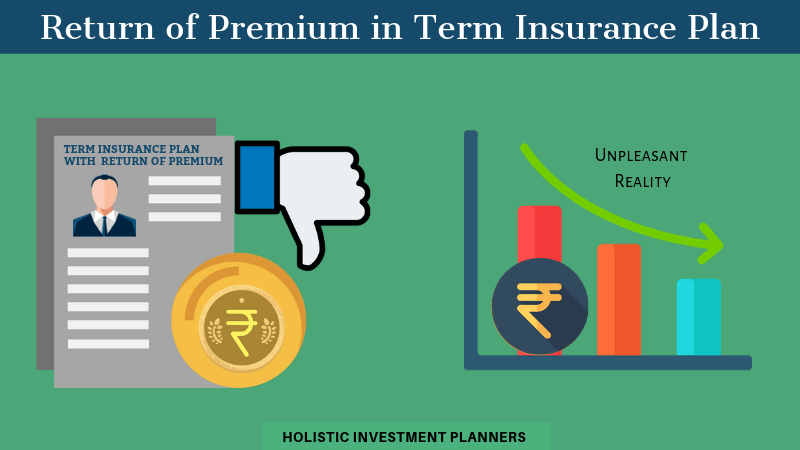
You get your money back.
From a psychological point of view, the biggest “win” is here. In India, the thought of “losing” money is a pain for many families. An ROP plan not only ensures your family’s security, but if you happen to live a long life, it’s like getting a big chunk of your own money back.
Disciplined Saving
This is similar to setting up a forced savings account with a life cover. You keep the cover going with the premium, and in the end, you get a generous “gift” that you can use to fund your retirement or a major purchase.
Tax Benefits
Aside from the regular insurance perks, this policy lets you save on your taxes under Section 80C. Also, the amount you receive at maturity is typically exempt from tax under Section 10(10D).
Is it a marketing trap?
Though it sounds like the dream, there are just a few points that the shiny brochures seldom mention inside the boxes:
Much Higher Costs
The price of an ROP plan can be 2 to 3 times that of a regular term plan.
- Example: For a cover of ₹1 crore, a regular plan might be priced at ₹15,000 per annum.
- The “Return of Premium” variant of the same plan might be priced at ₹35,000 per annum.
The Hidden “Cost” of Inflation
Here is the thought: Is ₹5 lakh today the same as ₹5 lakh 30 years from now? The answer is no. The prices go up (inflation). The money you get back as premium in 2056 will not have the same purchasing power as it does today. The insurance company keeps your extra funds, invests them, and earns a lot of interest. They only give you back your “original” amount without any interest.
You Could Invest the Difference
If you pick a term insurance plan without the return of premium feature and then invest the extra amount you saved (the difference in cost) in a Public Provident Fund (PPF) or a mutual fund, you will probably have a lot more money at the end of the term than what the ROP plan returns.
How to Choose the Right Plan?
Here are three questions that you should ask yourself before deciding on the best term plan with return of premium:
- Am I willing to pay a higher premium? If you find that paying the extra money will be a burden, then you should just stick to a regular plan. It is more important to have protection than to get a refund.
- Can I live with “zero” returns? If the thought of getting nothing back is so discouraging that you don’t even want insurance, then the ROP plan is the one for you. Having at least some insurance is definitely better than having none.
- Do I have a flair for investing? If you are disciplined enough to take that extra money to savings or investments, then with a regular term plan, you will almost always come out as a winner.
The verdict
Marketing traps? Well, not quite. This is a product targeted at a certain mindset. In fact, we Indians are very averse to the price-value equation in our purchases. Hence, insurance companies have devised ways to make insurance seem like an investment.
Conversely, if we strictly do the math, term insurance alone is generally the best financial decision. It minimizes your expenditures and allows you to invest elsewhere.
The bottom line: Insurance is for protection, and different types of instruments for saving. However, if the ‘money-back’ option is the only thing to persuade you to take the policy now, then do it. Your family’s security goes beyond any number crunching!
Tips for securing your family:
- Find the Claim Settlement Ratio first: This number indicates what per cent of claims the insurer pays. It should be 98% or more.
- Be truthful: When entering into a contract, disclose your true health status and lifestyle (smoking, etc.).
- Begin as soon as possible: The younger you are, the more affordable both types of policies will be.
Protection does not have to be a puzzle. Whichever you go for, the ‘Smart Choice’ or the ‘Marketing Trap,’ at least have a plan today. Your future self will thank you.