
Content Attributes
An unused car can become more than an eyesore. Leaking fluids, sharp metal, cracked glass, and flat tyres create hazards around homes, workshops, and rental properties. In Perth, removal services offer a structured way to clear unwanted sedans, utes, vans, and four-wheel drives. The process is straightforward, but good operators still follow careful checks around ownership, access, payment, transport, and responsible disposal.
Why Demand Is Rising
Perth drivers often weigh repair costs against the remaining value of an ageing vehicle. Heat, salt air, failed batteries, worn transmissions, and expired registration can make storage impractical. Many owners choose car removals in Perth after comparing the delays of private sales with the faster collection, clearer pricing, and metal recovery. The service is useful for families, landlords, repairers, and fleet operators managing limited space.
What The Service Covers
Most removal teams collect damaged, unregistered, unwanted, written off, or non-running vehicles. That can include small cars, commercial vans, four-wheel drives, trucks, and work utes. Condition affects price, yet collection may still be possible when keys, wheels, or panels are missing. The aim is simple: confirm lawful ownership, safely move the vehicle, and send reusable materials through proper recovery channels.
Step One: Vehicle Details
A quote starts with accurate vehicle information. Owners usually provide the make, model, year, suburb, registration status, damage, and whether the engine runs. Clear details help the operator choose suitable towing equipment and estimate value with fewer surprises. Photos can help where rust, collision damage, missing parts, or restricted access may affect loading. Better information usually leads to smoother collection.
Step Two: The Quote
After reviewing the details, the company gives a cash offer. Weight, age, part demand, metal prices, and towing distance all influence the figure. Some vehicles are worth more because engines, gearboxes, doors, lights, or catalytic components remain usable. A sound quote should explain pickup costs, payment terms, and any required paperwork before the owner agrees to collection.
Step Three: Booking Pickup
Once the offer is accepted, a collection time is arranged. Same-day pickup may be available in many suburbs, though more distant locations may require extra planning. Personal belongings should be removed from the glove box, the boot, the console, and the seat pockets. If the vehicle is blocked, parked underground, or sitting in a narrow driveway, early notice helps the driver prepare.
Step Four, Collection Day
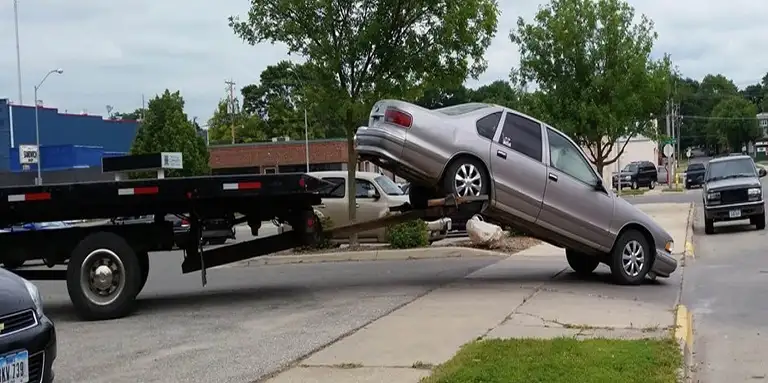
The driver checks the vehicle against the quoted details before loading begins. Identification or proof of ownership may be requested, depending on the circumstances. Safe winching, ramps, or tilt tray equipment are then used to move the vehicle. Payment is usually completed during collection, before departure. A receipt gives both parties a dated record of the handover.
Paperwork And Ownership
Paperwork protects the previous owner after the vehicle leaves. Plates may need to be removed, and registration cancellation may apply in some cases. Insurers, finance providers, or local authorities should be contacted if there are outstanding obligations. A written receipt or disposal note can help answer later questions about fines, tolls, storage, or ownership status.
How Pricing Works
Vehicle pricing is based on measurable factors, not guesswork. Scrap weight sets a starting point, while reusable parts can increase the return. Common models may attract stronger offers because panels, wheels, mirrors, and interior parts are easier to resell. Distance also matters, since towing time and fuel affect costs. Honest descriptions keep the final payment aligned with the original quote.
Why People Prefer It
Selling privately can involve missed calls, low offers, repeated inspections, and long waiting periods. Removal services reduce that burden by combining valuation, transport, and disposal into a single appointment. This helps owners without tools, spare time, or safe storage. It also assists workshops, property managers, and households that need damaged vehicles removed before they create access or safety problems.
Environmental Value
Old vehicles contain materials that need careful handling. Oil, coolant, brake fluid, batteries, tyres, and fuel residue can harm soil or drains if left unmanaged. Proper dismantling allows steel, aluminium, copper, glass, and other usable parts to re-enter the supply chain. Responsible removal also reduces illegal dumping and keeps unstable vehicles away from children, pets, and shared outdoor areas.
Common Mistakes To Avoid
Owners sometimes accept unclear prices without confirming towing charges. Others forget toll tags, documents, tools, baby seats, or personal items inside the cabin. Incomplete damage descriptions can also delay loading or change the final offer. A better approach is to ask what is included, confirm the payment method, prepare access, and keep written proof after collection.
Who Uses These Services
The service suits many situations. A household may clear a failed commuter car from a driveway. A mechanic might remove several uneconomical vehicles from a workshop yard. Landlords may need abandoned cars shifted before new tenants arrive. Small businesses and fleet managers also use removal services when older utes, vans, or trucks are more expensive to repair than to replace.
Conclusion
Car removal services in Perth work because they turn a neglected vehicle into a managed, documented disposal process. Owners provide details, receive a quote, arrange collection, complete basic checks, and free space without organising towing alone. Growing use reflects higher repair costs, tighter schedules, and stronger interest in material recovery. For many households and businesses, it is a practical way to improve safety, reduce clutter, and recover value.