Content Attributes
You’ve invested in a lovely carpet. The fibres are plush, the colour is spot on, and it ties the whole room together beautifully.
Fast forward six months, and the high-traffic zones look like they’ve been trampled by a small army. The pile has gone flat, the texture has disappeared, and that ‘just installed’ freshness is a distant memory.
But that sagging, worn look is avoidable. With a few smart habits and some preventative measures, you can keep those fibres standing tall for years. Let’s get into it.
Start with the Right Carpet Material
Not all carpets are created equal when it comes to resilience. So, if you’re shopping for a new one, steer towards materials that naturally resist flattening.
Nylon is your workhorse option. It’s tough, bounces back well, and handles foot traffic like a champion. This makes it perfect for hallways, living rooms, and anywhere your family tends to gather.
Wool is another solid choice. It’s softer underfoot and has a natural springiness that helps fibres recover from compression. Plus, it looks rather posh, which never hurts.
Avoid super-plush, delicate fibres if you’ve got kids or pets. They might feel lovely at first, but they often struggle to keep their structure over time.
Invest in High-Quality Padding
Most people obsess over their carpet’s colour and texture, then treat the underlay like an afterthought.
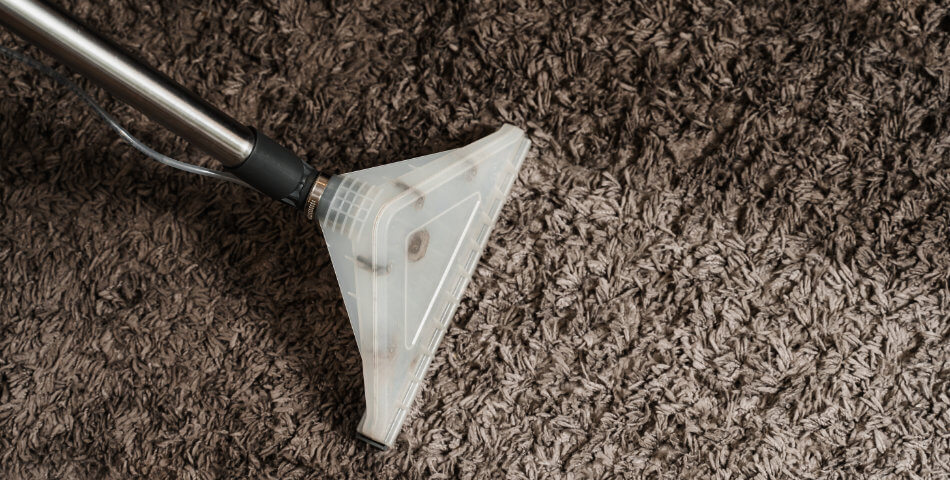
However, if you skimp on what goes underneath your carpet, don’t be surprised when it gives up early.
Quality underlay acts as a shock absorber. It cushions each footstep and prevents the fibres from being crushed directly against the hard floor below. Without it, every step you take compresses the pile a little bit more.
For synthetic rugs, go for high-density foam padding. It’s durable, supports the fibres well, and doesn’t compress easily over time.
If you’ve got a wool or natural fibre one, felt underlay is your best bet. It’s thicker, provides better insulation, and gives your rug that luxurious bounce when you walk on it.
Yes, a decent underlay costs a bit more upfront, but it’ll extend your carpet’s life by years, which makes it worth every penny.
Rotate Your Furniture Regularly
This tip is simple but surprisingly effective.
Every few months, shift your furniture around. Move the sofa a bit to the left, angle the armchair slightly, and swap the coffee table to the other side of the room.
You’re not redecorating. You’re redistributing the weight so the same spots don’t bear constant pressure. This gives previously compressed fibres a chance to recover and prevents permanent indentations from forming.
As a bonus, you’ll also uncover hidden dirt and crumbs that have been lurking under your furniture. It’s like a treasure hunt, except instead of gold, you find last year’s Wotsit crisps!
Fluff Flattened Fibres with a Rake
If certain areas are starting to look a bit tired, you don’t have to accept it as the new norm.
Carpet rakes are inexpensive tools that have stiff bristles designed to lift and separate the fibres. Simply rake over the flattened sections in different directions, and you’ll see the pile start to stand back up.
This works especially well in high-traffic areas that never seem to get a break. Every few weeks, quickly rake those areas to keep them looking fresh and prevent permanent flattening.
You can pick up a carpet rake online or at most home stores for under a tenner. For something so inexpensive, it does a remarkably good job of reviving tired-looking sections.
Use Furniture Pads and Coasters
Heavy furniture is one of the biggest culprits behind flattened fibres.
So, place furniture pads or coasters under the legs of sofas, beds, and wardrobes to spread the weight over a larger surface area. This will reduce the intense pressure that creates deep, stubborn dents.
You can pick up those pads at any home store across the UK for a few quid. They’re usually made from felt, rubber, or plastic, and they stick right onto the furniture legs.
For extra protection, opt for wide-based furniture supports. The broader the base, the less concentrated the weight, and the better your carpet will cope.
Keep Direct Sunlight at Bay
Sunlight might brighten up a room, but it’s doing your carpet no favours.
Prolonged exposure to UV rays weakens the fibres, fades colours, and makes the pile more prone to flattening. Over time, the areas exposed to direct sunlight will look more worn than the rest of your carpet.
To prevent this, use curtains, blinds, or UV-blocking window films. You don’t need to turn your living room into a cave; just limit the harsh afternoon sun from beating down on the same spot day after day.
Your carpet will keep its colour longer, the fibres will stay stronger, and you won’t end up with odd faded patches that ruin the whole look.
Hoover Smarter, Not Just More Often
You already know you’re supposed to hoover regularly. But how you vacuum makes a bigger difference than most people realise.
If you usually race through the room in five frantic minutes before guests arrive, it might be time to slow down.
Start by adjusting the height setting on your vacuum so it sits at the right level for the pile. If it’s too high, you won’t pick up enough dirt. And if it’s too low, you’ll just mash the fibres down further.
Move slowly over high-traffic areas and make multiple passes from different directions. This will help you lift the pile and remove the embedded dirt that weighs down the fibres.
Finally, don’t just skim the obvious spots. Hallways, doorways, and the areas around furniture take the brunt of daily life. So, they deserve an extra minute or two.
Try Steam Cleaning
Sometimes, regular vacuuming isn’t enough.
Steam cleaning reaches deep into the carpet pile, breaking down dirt, grime, and allergens that weigh down the fibres. The heat and moisture also help refresh and lift flattened areas, giving your carpet a proper reset.
You can rent a steam cleaner and do it yourself, or you can book professional carpet cleaning services.
If you’re in the UK, most companies offer packages that include deep cleaning, stain removal, and fibre restoration.
Professionals have industrial-grade equipment and know how to tailor the process to your different fabrics. So, you’ll get a thorough clean without extra damage.
Create a Shoe-Free Zone
This might sound a little over the top at first, but hear us out.
Every step you take in heavy shoes, especially heels, presses down on your carpet with surprising force.
Over time, that repeated pressure compacts the fibres, flattens the pile, and speeds up wear in the busiest areas of your home.
Going shoe-free indoors makes a bigger difference than you’d think. It reduces the dirt being ground into the fibres, eases the pressure on the pile, and helps your carpet keep its structure for longer.
If you want to make it easy, keep a basket or rack by the door and have a few spare slippers on hand. Trust us, your guests won’t mind at all as long as you give them an alternative.
Conclusion
You now know simple ways to keep your carpet looking decent without spending a fortune or breaking your back.
Do you have to stick to all these habits? Probably not. But even trying out a few will make a noticeable difference. Your carpets will look better, last longer, and you won’t have to explain to guests why there’s a massive flat patch by the sofa.




Leave a Reply
You must be logged in to post a comment.