Content Attributes
This is the biggest question, and it is where marketing and evidence often separate. Most trustworthy sources agree that charcoal toothpaste may help with surface stain removal, but it does not have strong proof of delivering better or safer whitening than regular whitening toothpaste. Healthline says it does not whiten better than regular toothpaste, and ADA guidance says there is insufficient evidence showing measurable whitening benefit with adequate safety and effectiveness.
Research findings also support caution. A 2022 study found that brushing with the tested charcoal paste for 21 days had no significant effect on tooth lightness, chroma, or hue. Other studies have reported increased surface roughness after use of charcoal toothpaste compared with non-charcoal toothpaste. That matters because rougher tooth surfaces can reflect light differently and may collect more stain later. So even when a charcoal toothpaste appears to brighten teeth at first, the longer-term cosmetic result may not be as good as people hope.
It also helps to compare charcoal toothpaste with professional whitening or peroxide-based home systems. NHS information explains that teeth whitening works by using a gel and sometimes other professional methods to lighten tooth color. That is very different from simply scrubbing away outer stain. If someone wants a noticeable color change rather than just a cleaner surface, proven whitening systems are more evidence-based than charcoal toothpaste.
In practical terms, charcoal toothpaste may make sense only for someone who wants very mild stain removal and is using a carefully chosen product that is gentle and fluoride-containing. Even then, it would not be the first option most dentists recommend. A better approach is often a soft-bristled brush, fluoride toothpaste, good brushing habits, reduced stain-causing drinks, and dentist-guided whitening if deeper whitening is needed.
Risks of Charcoal Toothpaste: Enamel, Sensitivity, and Fluoride Problems
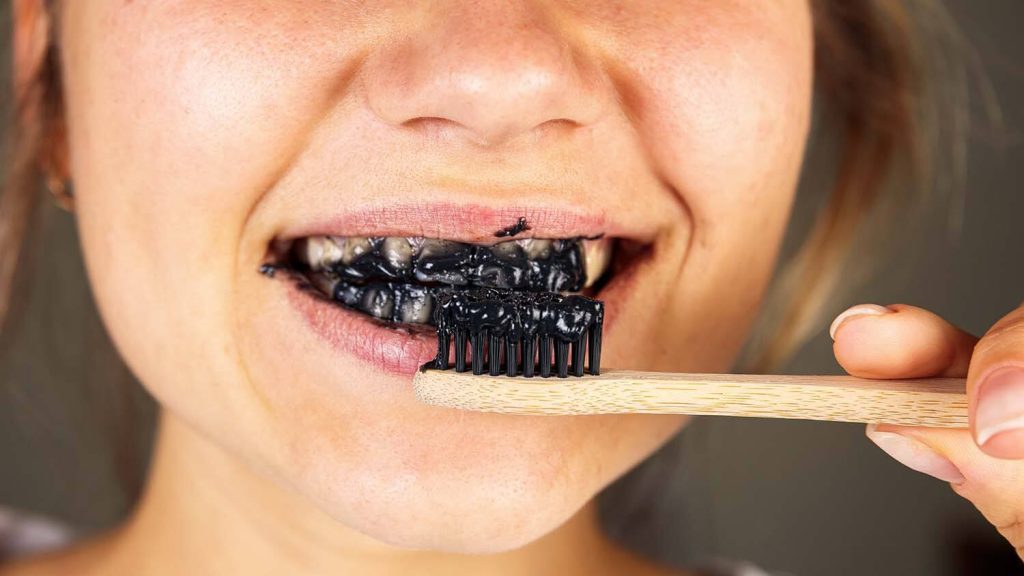
The biggest reason many dentists are cautious about charcoal toothpaste is abrasion. Tooth enamel is strong, but it does not grow back once it wears away. Several sources warn that charcoal toothpaste can be too abrasive, especially with frequent use. Harvard Health says daily use may risk damage to enamel, while ADA-related commentary describes charcoal toothpaste as a “known danger” because of its abrasive effect on the tooth surface.
When enamel wears down, two things can happen. First, teeth may become more sensitive to hot, cold, or sweet foods. Second, teeth may actually look more yellow over time because the yellowish dentin underneath becomes more visible. This is one of the most important things readers should understand: a product used to make teeth look whiter can sometimes create the opposite result if it wears enamel away. Multiple dental sources point to this exact risk.
A second major issue is the lack of fluoride in many charcoal products. ADA guidance is clear that fluoride is central to cavity prevention and enamel remineralization, and a toothpaste must contain fluoride to be ADA-Accepted for anticaries claims. If someone swaps out their regular fluoride toothpaste for a fluoride-free charcoal toothpaste, they may be removing an important layer of daily protection against decay. This is especially concerning for people who already have cavities, dry mouth, braces, gum recession, or a high sugar intake.
There are also cosmetic and restorative concerns. A literature review published in JADA noted that charcoal particles may collect in cracks, crevices, and around dental restorations like fillings and veneers, potentially leaving gray or black lines around margins. For people with dental work, that is a real downside. So even beyond sensitivity and cavity risk, charcoal toothpaste may create appearance problems that are expensive to fix.
Who Should Avoid Charcoal Toothpaste?
For some people, the risks are higher than the possible cosmetic benefit. Anyone with tooth sensitivity, thin enamel, gum recession, braces, crowns, veneers, bonding, or multiple fillings should be extra careful. Rough toothpaste can worsen sensitivity and may interact badly with restorations by causing staining around margins or uneven wear. The concern about particles collecting around restorations has been raised in the dental literature, and enamel-thinning risk makes sensitivity-prone patients a poor match for abrasive products.
People with a high risk of cavities should also think twice. If a charcoal toothpaste lacks fluoride, it may not offer the same protection as a standard anticavity toothpaste. ADA guidance emphasizes fluoride’s role in strengthening teeth and preventing decay, so replacing a fluoride toothpaste with a non-fluoride charcoal product may be a bad trade for oral health.
Children are another group where caution matters. In general, daily oral care choices for children should focus on cavity prevention and safe fluoride use, not beauty trends. While the user’s topic is broad, the safest general rule is that parents should not choose trendy whitening-style products for kids without a dentist’s advice. Evidence-based preventive care matters much more than stain removal in children’s teeth. ADA preventive guidance supports fluoride-centered care as the foundation of cavity prevention.
Even adults with healthy teeth should not assume that “natural” equals “gentle.” The Google results and dental guidance repeatedly show the same pattern: charcoal toothpaste may look modern and clean, but it is not usually the safest first-choice toothpaste for everyday use.
What Is the Best Toothpaste for Teeth Instead of Charcoal?
If your goal is healthy teeth, the best toothpaste for teeth is usually one that matches your real need rather than a trend. For most adults, that means a fluoride toothpaste that helps prevent cavities and is gentle enough for everyday use. ADA guidance says fluoride strengthens teeth and helps remineralize early enamel damage, and ADA-accepted products are reviewed for safety and efficacy.
Here are better everyday choices than charcoal toothpaste for most people:
- Fluoride anticavity toothpaste for daily protection
- Sensitivity toothpaste if you get pain from hot or cold foods
- Whitening toothpaste with a gentler profile if you want mild stain removal
- Tartar-control toothpaste if your dentist recommends it
- Prescription-strength options if your dentist says you are at high risk for decay
If your main goal is whiter teeth, the better path is usually to choose a trusted whitening toothpaste or ask a dentist about whitening strips, trays, or in-office whitening. ADA information on whitening supports evidence-based whitening methods more than charcoal products, and NHS guidance explains that professional whitening works through gels and professional systems rather than charcoal abrasion.
A simple buying checklist can help. Look for a toothpaste that:
- Contains fluoride
- Is intended for your main concern
- Is not overly abrasive
- Comes from a reputable brand
- Has the ADA Seal of Acceptance when relevant
How to Use Charcoal Toothpaste Safely If You Still Want to Try It
Even though charcoal toothpaste is not the best daily option, some readers will still want to test it. If so, the safest approach is to treat it as an occasional product, not your main toothpaste. Harvard Health advises against everyday use because of abrasiveness, and many dental commentaries say it should never replace regular fluoride toothpaste.
Step 1: Check the label
See whether the product contains fluoride. If it does not, do not make it your everyday toothpaste. Fluoride is one of the most important parts of cavity prevention.
Step 2: Use a soft-bristled toothbrush
A gentle brush lowers the total abrasive effect on enamel and gums. This matters even more if the paste itself is gritty.
Step 3: Use it rarely
Do not use charcoal toothpaste multiple times a day as your long-term routine. Occasional use is less risky than daily aggressive brushing.
Step 4: Watch for warning signs
Stop using it if you notice sensitivity, gum irritation, or teeth looking duller or more yellow. That may be a sign of enamel wear or irritation.
Step 5: Ask your dentist first
This is especially important if you have fillings, veneers, crowns, braces, or sensitive teeth.
FAQs
Usually not the best option for daily use. Many sources warn that it can be too abrasive, and some products do not contain fluoride.
It may remove some surface stains, but evidence does not show that it safely whitens teeth better than regular whitening toothpaste or professional methods.
It can contribute to enamel wear, especially if the formula is abrasive and used often. Multiple studies and dental reviews raise this concern.
Yes, for daily oral health. Fluoride helps prevent cavities and remineralize enamel, which is why ADA guidance gives it such importance.
For most people, it is a fluoride toothpaste matched to their needs, such as anticavity, sensitivity, or trusted whitening toothpaste.
Final Verdict
Charcoal toothpaste is not usually the best toothpaste for teeth if you want safe, daily protection. It may help remove some outer stains, but the main concerns are abrasiveness, possible enamel wear, sensitivity, and the fact that many formulas do not contain fluoride. Current dental guidance and research do not strongly support charcoal toothpaste as a superior whitening option, and the safest everyday choice is still a gentle fluoride toothpaste with proven benefits.
If your goal is healthier teeth, choose a fluoride toothpaste and good brushing habits. If your goal is whiter teeth, consider evidence-based whitening products or professional advice instead of relying on charcoal toothpaste alone. That gives you a better chance of getting a brighter smile without harming your enamel.