Content Attributes
A dead vehicle often sits longer than expected, then starts creating practical trouble around a home. In Papakura, an unused car can leak fluids, block access, and become harder to move with each passing week. Many owners also misjudge what the vehicle is worth, either too high or far too low. Before you make any arrangement, it helps to check the condition, gather documents, and understand how collection, pricing, and transfer usually work.
Why Timing Matters?
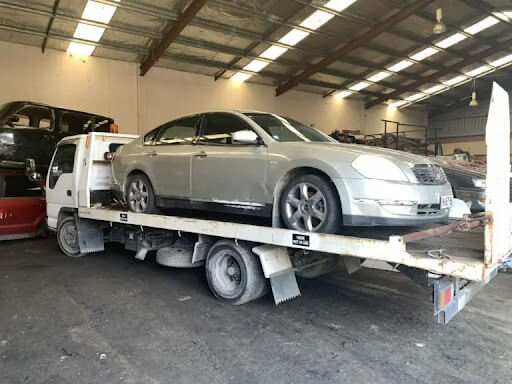
A non-running car rarely improves while parked in a yard or on a drive. Rust spreads into seams, seals dry out, and tyres deform under constant load. Delays also reduce the chance of recovering value from working parts. Many local vehicle owners reach out to car wreckers in Papakura once repairs stop making financial sense, yet that call works better after faults, missing components, and access issues have been written down clearly.
Start With A Clear Check
A brief inspection gives useful facts before anyone asks for a price. Owners should note collision damage, engine seizure, transmission failure, battery loss, and visible corrosion. Photos help show wheel condition, panel alignment, and cabin wear. That record reduces confusion later. Clear notes also prevent inflated expectations and help the towing team prepare for a vehicle that cannot move under its own power.
Paperwork Should Come First
Proof of ownership should be ready before collection day is booked. Common documents include photo identification, registration records, and any service paperwork still available. Missing papers are easier to address early than during handover. Personal belongings are often overlooked inside glove boxes, consoles, or door pockets. A careful check of every compartment avoids the irritation of discovering something important after removal.
Value Depends On More Than Age
Age alone does not decide what a dead car may return. A vehicle with major mechanical failure can still hold value in its engine parts, gearbox, mirrors, doors, or factory electronics. Popular models usually attract stronger demand for used components. Completeness matters as well. Straight panels, intact trim, and original fittings can lift the offer above what a stripped shell would bring.
Free Removal Is Worth Confirming
Collection terms should always be confirmed before agreeing to any figure. Some operators include towing in the quoted amount, while others subtract charges once the truck arrives. That difference changes the real payout. Access also affects the job. A narrow drive, seized brakes, flat tyres, or locked steering can slow loading and require extra gear to move the vehicle safely.
Quotes Need Basic Comparison
One offer may sound acceptable, though a small comparison gives better perspective. Useful questions cover pickup timing, payment method, ownership transfer, and any deductions linked to towing or access problems. Convenience can matter as much as the top number. Writing each offer down helps. Small details are easy to forget, especially when several phone calls happen within a short period.
Hazard Risks Should Not Be Ignored
A dead car creates more than a visual nuisance around a property. Old oil, coolant, and brake fluid can stain concrete and run into drains after heavy rain. Broken glass and exposed metal edges raise injury risk for children or pets. Damp cabins also trap moisture and mould. Quick removal reduces those hazards and returns the space to normal household use.
Parts Buyers Affect Price
Used-parts demand often changes how a vehicle is assessed. Headlights, catalytic converters, alloy wheels, body panels, and working interior pieces may raise the amount offered. Severe fire damage or major front-end impact usually lowers salvage interest. Sellers benefit from mentioning recent replacements. New tyres, a fresh alternator, or a newer starter motor can influence value during the first discussion.
Payment Should Stay Simple
Payment terms deserve a clear answer before the truck starts loading. Cash, bank transfer, or same-day electronic payment should be agreed in direct language. Sellers also need to ask when funds will actually be released. Late questions create pressure at the gate. Written confirmation by text or email helps keep the handover calm, traceable, and easier to verify later.
A Short Local Checklist
Papakura owners can make the process easier with a short checklist. Remove personal items, gather documents, photograph the car, and record the agreed amount in writing. Ask who handles transport and whether plates need to be removed before pickup. Access details should also be mentioned early. Those simple steps reduce avoidable stress and support a cleaner transfer from property to yard.
Conclusion
Getting rid of a dead car in Papakura becomes much simpler when the owner prepares before making contact. A careful condition check, complete paperwork, and direct questions about towing and payment can prevent most common problems. What looks like a worthless shell may still contain usable parts and measurable scrap value. With a clear plan, local households can avoid confusion, protect their space, and make a sound decision.