Content Attributes
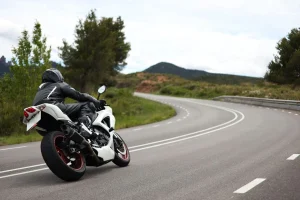
A high-mileage adventure bike has earned every scratch and worn seal it carries. Keeping one roadworthy past the 30,000-mile mark takes more than a fresh oil filter and good intentions. Components that were factory-tight begin to drift out of tolerance, and small issues compound quickly if left unaddressed. Riders who stay ahead of wear and source quality replacements when parts give out consistently get more life out of machines that others would have retired.
Why Part Quality Matters on High-Mileage Bikes?
Aging engines have less margin for error than new ones. A poorly fitted part, or one made from inferior materials, puts stress on the components around it. That stress spreads, and what started as a cheap fix becomes a much larger repair bill.
Riders maintaining a long-running dual-sport know this firsthand. Those running the KLR 650 platform benefit from sourcing genuine Kawasaki KLR 650 parts online, where manufacturer specifications and verified fitment eliminate the compatibility uncertainty that comes with generic aftermarket substitutes. A part built to the original tolerances simply works better inside an engine designed around those exact measurements.
Common Wear Points to Watch
High-mileage bikes fail in predictable places. Knowing which systems deteriorate first helps riders prioritize inspections and budget replacements before something fails on the road.
Drive and Transmission Components
Chain stretch, sprocket wear, and clutch plate degradation happen in parallel. Replacing one without addressing the others shortens the lifespan of the new part considerably. Treating the entire drive system as a unit during service intervals produces better results.
Cooling and Fuel Systems
On carbureted engines, pilot jets are the first to clog after extended storage or infrequent use. Rubber fuel lines become brittle over time and develop small cracks that worsen with heat cycles. Both are inexpensive to replace and expensive to ignore.
Suspension and Steering
Fork seals start weeping long before they fully fail, and that slow leak is easy to dismiss. Once fork oil reaches the brake rotor, the safety risk becomes immediate. Catching seal deterioration early, at the first sign of oily residue on the lower legs, prevents a serious problem from developing quietly.
Sourcing the Right Parts
Fitment, material grade, and heat tolerance vary more than most riders expect across different suppliers. Not every part listed for a given model is built to the same standard.
OEM vs. Aftermarket
Original equipment manufacturer parts are built to the tolerances the bike was engineered around. That compatibility matters most for components under sustained stress, including brake pads, valve seals, and wheel bearings. Aftermarket options can work well for certain accessories or cosmetic parts, but for anything load-bearing or safety-critical, OEM is the more reliable choice.
Supplier Reliability
A trustworthy supplier provides accurate model-year compatibility data, maintains real inventory, and has staff who understand the platforms they sell for. Buying from a specialist reduces the risk of receiving a mislabeled part or waiting weeks for a return on something that never fit correctly.
Building a Maintenance Kit for Long Rides
Extended trips demand a compact spares kit. Tube patch supplies, spare brake and clutch levers, fuses, and a chain tool handle the majority of roadside situations. Adding a spare throttle cable and a set of spark plugs addresses the two failures most likely to strand a rider on an older carbureted machine.
Keeping Records
A simple mileage log for each replacement part creates a reliable service history. It takes five minutes to update and pays off both in planning future maintenance and in demonstrating consistent care to any future buyer.
When to Rebuild vs. Replace?
There is a point where swapping individual parts stops making financial sense. A cylinder with worn bore walls needs a full rebore and an oversized piston, not another ring set. Evaluating a system as a whole, rather than reacting to each part as it fails, leads to smarter long-term decisions.
Compression testing and periodic oil analysis provide hard data to support those choices. Guesswork burns through parts and money. The bikes that reach genuinely high mileage in strong condition almost always have an owner who measures before replacing.
Conclusion
Reliable performance on a high-mileage adventure bike does not happen by accident. It comes from steady attention, honest assessment of wear, and a commitment to using parts that actually match the machine. Riders who treat maintenance as an ongoing discipline rather than a crisis response consistently get more from bikes that have already covered serious ground. The odometer reading matters far less than how well the machine has been cared for along the way.