Content Attributes
Modern buyers can choose from lightweight carbines, chassis stocks, and optics-ready rifles built for specialization. Yet lever actions keep a firm place in hunting camps, ranch trucks, and practical training. That loyalty reflects function more than sentiment. Centered weight supports steadier shoulder alignment, while compact dimensions reduce wasted motion during carry and presentation. In 2026, many shooters still trust this pattern because it handles cleanly, cycles predictably, and asks less from the user.
Faster Follow-Up Shots
Shot-to-shot control depends on recoil recovery, sight return, and how little the rifle shifts after discharge. For that reason, many experienced shooters still measure newer carbines against the marlin 1894 lever action rifle during brush hunts, steel drills, and property work where speed matters. Its short receiver and compact layout help preserve cheek contact through cycling. Less disruption usually means the reticle or front sight comes back sooner, which improves hit consistency.
Better Balance in Tight Spaces
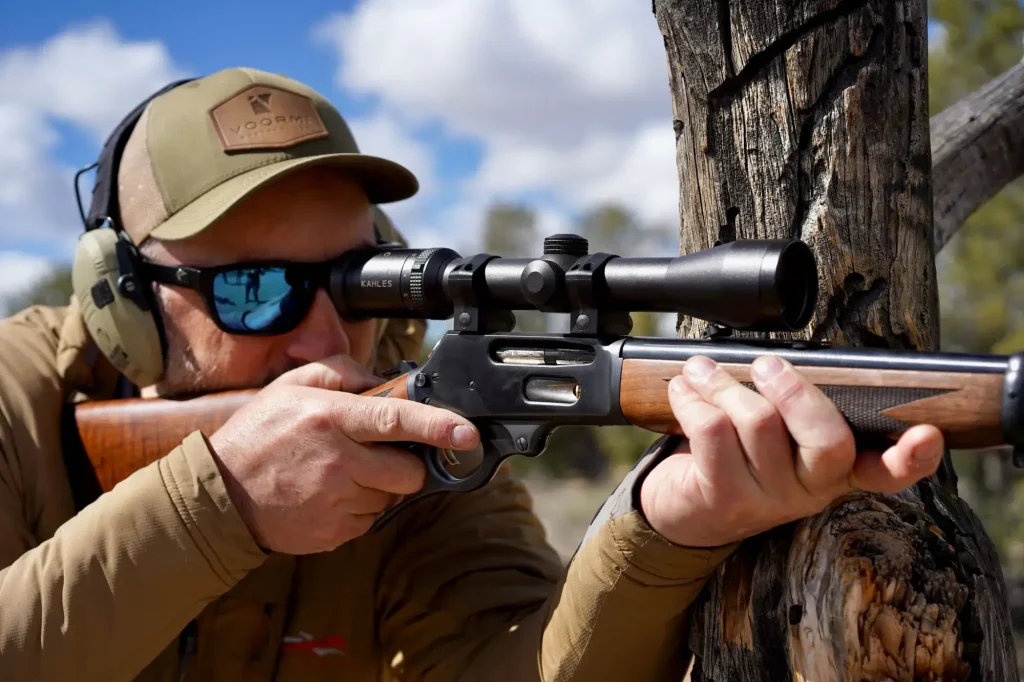
Some rifles feel stable at the bench, then cumbersome once movement starts. Lever actions usually place mass near the hands, which improves directional control in dense cover, narrow blinds, or vehicle exits. That distribution lowers shoulder strain during long carry periods. Front-heavy setups often begin to wander after fatigue sets in. A trim lever gun tends to mount faster, track more naturally, and stay manageable when space closes down.
Reliable Function with Less Fuss
Simplicity still protects performance when weather turns ugly. Lever rifles generally avoid the switches, rails, cables, and powered accessories that can complicate field use. Fewer attached components leave less to snag on brush or fail in sleet, dust, or freezing air. Iron sights remain available without batteries. Routine care also stays straightforward. Clean metal surfaces, proper lubrication, and sound ammunition usually cover what most owners need.
Legal Access in Restrictive Areas
Local rules often shape rifle choice before handling or caliber enters the discussion. In many states and municipalities, lever actions remain easier to own than firearms fed by detachable magazines. That matters for households seeking a practical long gun without chasing compliance parts or changing furniture. Less regulatory friction saves time, money, and frustration. Access itself can become a performance issue if another rifle is difficult to purchase or keep.
Safer Carry Perception
Appearance influences how comfortable other people feel around a firearm. A lever gun usually reads as familiar sporting equipment rather than specialized tactical hardware. That visual cue does nothing to reduce capability, though it can soften reactions during lawful transport, camp use, or first-time instruction. Landowners, neighbors, and newer shooters may respond with less visible tension. In day-to-day rural settings, that social ease carries practical value and helps prevent unnecessary conflict.
Strong Pistol-Caliber Efficiency
Cartridge choice explains much of the platform’s staying power. Many lever rifles chamber pistol rounds, which often produce lower recoil impulse and reduced ammunition cost compared with common rifle loads. That pairing supports longer practice sessions without excessive shoulder soreness or heavy expense. Shared caliber use with a sidearm can simplify packing and storage. A firearm used regularly tends to produce better field results than one left home.
Excellent Suppressor Pairing
Suppressors reward actions that keep gas away from the shooter’s face. Lever guns do that well because they do not rely on redirected combustion gases for cycling. Less residue and reduced blowback can make longer sessions easier on the eyes and nose. With subsonic ammunition, the report often becomes softer and less disruptive. That matters during pest control, close-range drills, and informal practice where comfort supports steadier judgment.
Greater Mechanical Awareness
Manual cycling teaches habits that many shooters benefit from over time. Each discharge requires an intentional movement, so the user gets immediate feedback on timing, chamber status, and sight recovery. That sequence can expose weak follow-through quickly. Self-loading platforms sometimes mask poor technique through sheer pace. A lever action rarely does. Newer shooters often gain clearer confidence, while seasoned users appreciate the renewed attention to fundamental marksmanship.
Timeless Durability and Value
Service life still matters more than novelty for many buyers. Well-built lever actions often keep their appeal because steel receivers, hardwood stocks, and straightforward internals age gracefully with basic care. Many stay in use for decades, then pass to another generation instead of entering a resale rack. That longevity affects value in practical terms. A dependable rifle with broad demand frequently holds interest better than trend-driven options tied to fashion.
Conclusion
Lever-action rifles continue to earn trust because their strengths remain measurable in actual use. They handle confined spaces well, recover quickly between shots, accept suppressors gracefully, and stay approachable under varied legal rules. Modern rifles bring speed, modularity, and optics support, yet those benefits do not cancel the appeal of a balanced, mechanically direct design. For many shooters in 2026, the better tool is still the one that feels steady, simple, and reliable.