Content Attributes
Why no dairy after dental implant (the real reasons—and what evidence says)
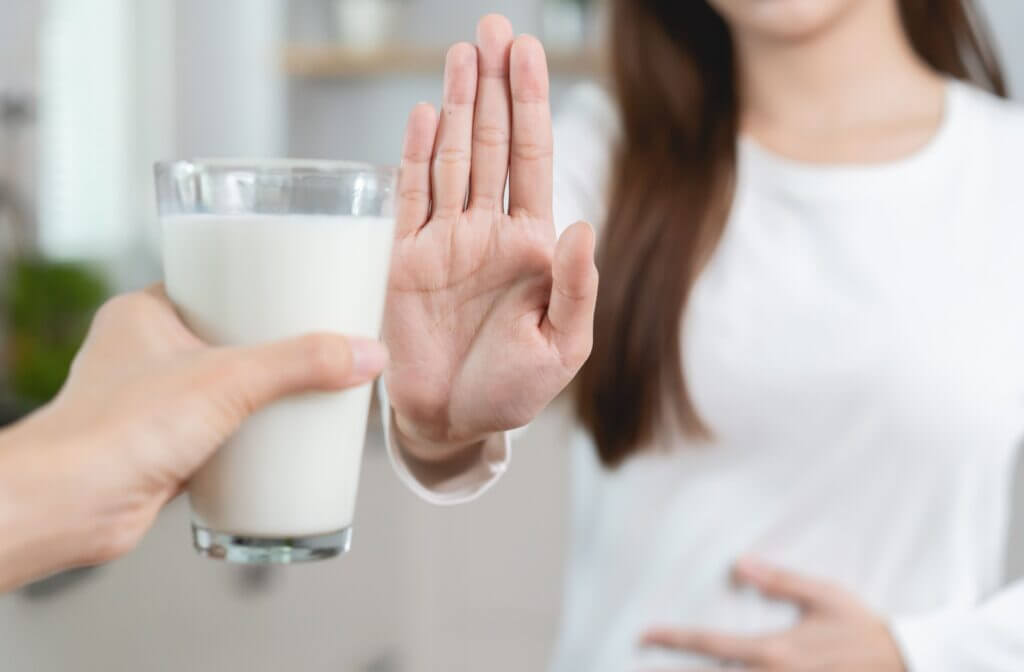
If you’re asking why no dairy after dental implant surgery, you’re not alone. Many post-op instruction sheets mention avoiding milk, yogurt, paneer, cheese, ice cream, or milk-based shakes—especially in the first couple of days. But the “why” is often explained differently depending on the clinic.
Here are the most common reasons dentists give for why no dairy after dental implant placement:
A) Upset stomach + vomiting risk (a practical, underrated reason)
Right after implant surgery, you may be on pain medicines, antibiotics, or anti-inflammatory drugs. For some people, dairy (especially milk or rich ice cream) can increase nausea, acidity, or mucus-like feeling, and if vomiting happens, it can raise pressure in the mouth and irritate the surgical site. Some clinics therefore suggest why no dairy after dental implant recovery: to reduce nausea and keep the first 24–72 hours calm and predictable.
B) Infection-control caution (especially sweet dairy)
Some posts highlight sugar-heavy dairy (ice cream, sweetened yogurt, flavored milk). The concern is that sugary foods can support bacterial growth when your mouth is healing and you may not be brushing normally around the surgical area. So, for some dentists, why no dairy after dental implant care is mainly “avoid sweet dairy and sticky foods early.”
C) Cold temperature and tenderness
Many dairy foods people reach for after surgery are cold (ice cream, cold milk, chilled yogurt). Cold can feel uncomfortable on a tender surgical area. That’s another reason some clinics say why no dairy after dental implant surgery—at least during the early soreness window.
D) Texture/chewing stress (cheese, paneer, curd solids)
Certain dairy items aren’t “soft” in the way your implant site needs. Chewy cheese cubes or paneer can create extra chewing pressure. So the advice is sometimes less about dairy as a category and more about avoiding chewy foods that could disturb the site.
E) “Dairy avoidance” is common in some places—but evidence is mixed
Here’s a key point many articles don’t explain clearly: a peer-reviewed paper reviewing dairy avoidance after oral surgery found that the idea of dairy being harmful was not supported by strong evidence, and that the “no dairy” recommendation appeared especially common in German-speaking regions and may be historical rather than science-based today.
So what’s the best takeaway if you’re still wondering why no dairy after dental implant surgery?
- There isn’t one universal medical rule that dairy always ruins implant healing.
- Many dentists still recommend avoiding it temporarily, mainly for comfort, hygiene, nausea control, and simplifying the first days of recovery.
- Your dentist’s plan matters most—especially if you had bone grafting, sinus lift, or infection history.
How long is “no dairy” usually?
Guidance online ranges widely. Some clinics say 48–72 hours, while others recommend longer depending on healing progress.
That’s why you’ll see conflicting answers when you search why no dairy after dental implant—different cases, different risk levels, and different clinic habits.
Dental implants recovery (what’s happening in your mouth day by day)
Understanding dental implants recovery makes the “food rules” feel less confusing. Implant surgery creates a small surgical wound in the gum (and sometimes bone). Your body then goes through predictable healing phases.
The first 24 hours: protect the clot and calm swelling
During the first day, your body is trying to:
- form and protect a stable blood clot
- control swelling
- begin closing the gum tissue
That’s why most dentists recommend liquids and very soft foods initially and avoiding anything that could disturb the site.
Food goals in the first day
- Keep nutrition simple
- Avoid chewing near the implant
- Avoid hot, spicy, crunchy foods
- Focus on hydration
This is also where the “why no dairy after dental implant” advice often appears, because many people reach for milkshakes or ice cream. Clinics may prefer you use non-dairy smoothie bases for a short time to avoid discomfort and reduce nausea risk.
Days 2–3: swelling peaks, tenderness reduces slowly
Swelling often peaks around this period. Some people feel better quickly; others feel sore longer. You may be able to move from liquids to soft foods like:
- dal (well-cooked, not hot)
- soft rice/khichdi
- mashed vegetables
- scrambled eggs
Many recovery timelines mention gradually adding slightly firmer soft foods after a couple of days, but still avoiding crunchy foods.
Days 4–7: soft chewing returns (but be cautious)
Around the end of week 1, many people can chew gently on soft items. But you still need to avoid:
- nuts, chips, crusty bread
- hard sweets
- sticky foods that pull on tissue
A common clinical theme is: soft foods for about a week (sometimes longer), then gradual return to firmer textures based on comfort.
Weeks 2–6: gum healing improves; pressure control matters
In this phase, the gum tissue continues strengthening. If you had stitches, they may dissolve or be removed depending on type. Some people feel “normal” at this stage, but the deeper process is still ongoing.
This is where patients often keep asking why no dairy after dental implant—because they feel okay and want normal food. If your dentist said “avoid dairy,” ask whether it was:
- only for the first 2–3 days, or
- longer due to grafting, inflammation, or hygiene concerns
Months 3–6: osseointegration (bone bonding) reaches functional stability
Even if your gum looks healed, the implant still needs time to bond with bone (osseointegration). Many guides cite 3–6 months as a common timeframe before the final tooth is placed and you’re fully back to normal chewing on that implant.
Bottom line for dental implants recovery:
Your comfort may improve fast, but your implant needs a careful ramp-up. That’s why eating rules exist—and why the phrase why no dairy after dental implant keeps popping up in aftercare discussions.
How long after dental implants can I eat normally? (a realistic timeline)
The question “how long after dental implants can I eat normally” has two meanings:
- When can I eat normal foods in general?
- When can I chew normally on the implant side with full confidence?
Let’s make it simple.
Phase 1: Same day to 48 hours — liquids and very soft foods
Most sources agree on very soft foods at first. Think:
- room-temperature soups (not hot)
- mashed foods
- smoothies (often suggested with non-dairy bases early)
This is the time when many dentists enforce why no dairy after dental implant rules (often 48–72 hours).
Phase 2: Days 3–7 — soft foods, gentle chewing (avoid the implant side)
You may add soft pasta, soft rice, cooked oats, soft fish, and well-cooked vegetables. Many timelines suggest you can begin slightly firmer soft foods after a few days, while still avoiding hard/crunchy foods.
Phase 3: Weeks 2–4 — semi-soft “regular foods” if comfortable
At this stage, many people can eat a near-normal diet as long as they avoid biting hard foods on the surgical side. Some guides talk about returning to near-normal eating after a few weeks, depending on healing progress.
Phase 4: Months 3–6 — truly “normal” chewing on that implant
A common reference point is that it often takes 3–6 months before the permanent tooth is placed and full chewing function returns (varies by patient and procedure).
So, how long after dental implants can I eat normally?
- Normal eating overall: often within 1–3 weeks, with sensible restrictions
- Normal chewing on the implant like a natural tooth: often 3–6 months
What can delay “eating normally”?
- bone grafting or sinus lift
- smoking
- uncontrolled diabetes
- poor oral hygiene
- biting hard foods too early
If your clinic emphasized why no dairy after dental implant surgery for longer than a few days, it may be because your situation is higher risk (for example, grafting). Some clinics advise avoiding dairy for longer periods (weeks) in their protocols.
What to eat instead (simple meal plan), dairy alternatives, and a safe return to dairy
If you’re trying to follow the rule why no dairy after dental implant, the easiest approach is: keep foods soft, lukewarm, low-sugar, and easy to rinse away.
Best foods in the first week (easy, gentle options)
Liquids / very soft
- dal water, thin khichdi
- blended soups (warm, not hot)
- smoothies with banana, mango, or berries
Soft proteins
- scrambled eggs
- soft fish
- tofu (if tolerated)
Soft carbs
- well-cooked rice
- oats/porridge
- soft noodles/pasta
Dairy-free smoothie bases (so you still get calories)
Many clinics suggest smoothies for recovery but recommend skipping milk/yogurt early. Use:
- oat milk
- almond milk
- coconut milk
and blend with soft fruits. This directly solves the “why no dairy after dental implant” concern while keeping nutrition high.
What to avoid (at least early on)
- crunchy: chips, nuts, toast crust
- sticky: chewy candies
- spicy foods (can irritate)
- alcohol for at least 24 hours (commonly advised)
And yes, many posts add: avoid dairy for the first 48–72 hours if your dentist told you to.
When can you restart dairy?
There isn’t one universal rule, but here’s a safe, practical method:
- Start with small amounts (a few spoonfuls of curd/yogurt or a little milk in tea)
- Choose unsweetened versions first
- Avoid cold dairy initially if it triggers sensitivity
- Keep brushing/rinsing instructions strict so residue doesn’t sit near the surgical area
If your clinic’s policy is “no dairy for 48–72 hours,” then reintroducing dairy after that window is often fine if you feel well and your dentist agrees. Your clinic gave a longer restriction, follow that—some clinics explicitly recommend longer avoidance periods.
Quick FAQs (based on what patients ask most)
Evidence is mixed. One review found no strong evidence that dairy is harmful after dentoalveolar surgery and suggested the recommendation can be regional/historical.
Some clinics allow it as a soft food, others say avoid it briefly. If you were told why no dairy after dental implant, use non-dairy alternatives for the first days, then ask your dentist when to reintroduce.
Call urgently if you have increasing swelling after day 3, fever, pus, severe bad taste, uncontrolled bleeding, or worsening pain.
Conclusion
If you searched why no dairy after dental implant, here’s the simplest truth:
- Many dentists recommend avoiding dairy temporarily to reduce nausea risk, avoid cold discomfort, limit sugary residue, and keep early healing simple.
- Research evidence that dairy directly harms healing is not strong, and practices vary by region and clinic.
- Your best roadmap is the recovery timeline: soft foods early, gentle chewing after about a week, and truly normal chewing often after 3–6 months as the implant integrates and the final tooth is placed.