Content Attributes
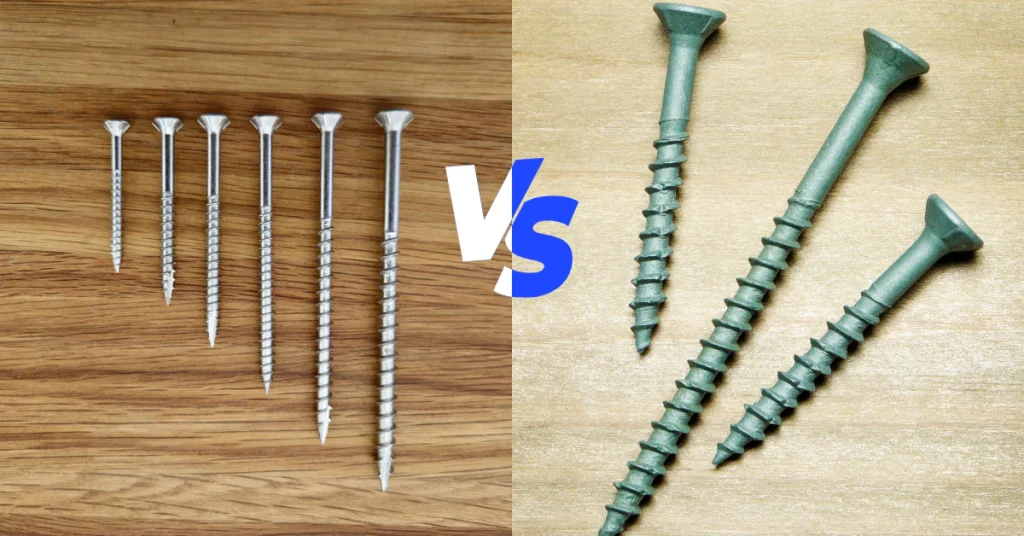
A deck usually does not fail after one rough season. Problems build slowly through trapped moisture, summer heat, winter movement, and preservative chemicals inside treated lumber. Fastener selection has a direct effect on noise, board lift, staining, and long-term safety. Many buyers look at price or length first, yet weather durability depends on a narrower set of traits. Base metal, coating chemistry, thread pattern, head design, and proper embedment depth carry the greatest weight.
Start With Base Metal
Base metal deserves first attention because corrosion begins where damp wood, oxygen, and treatment chemicals meet. During product review, builders weighing thread style, deck screws in bulk quantities, and package cost should pause long enough to verify the actual alloy, since surface rust often appears well before withdrawal strength drops. That order helps purchasing stay tied to service life instead of short-term savings that disappear after a few wet years.
Match Coating to Treated Lumber
Pressure-treated decking contains compounds that can attack plain steel over time. For many inland projects, a quality coated carbon steel screw performs well if the manufacturer rates it for treated wood contact. Coastal exposure changes that decision quickly. Once the finish cracks during driving, bare areas can discolor nearby boards and weaken after repeated wetting. Product compatibility matters more than color, label wording, or shelf placement.
Stainless Grades Change the Risk Profile
Stainless steel handles exposure differently because its corrosion resistance runs through the full fastener rather than sitting on the surface. Grade 304 fits many rainy locations away from salt. Grade 316 offers better protection where ocean air, pool splash, or deicing residue remains present. Waterfront decks often justify that upgrade. Higher purchase cost can still save labor later, because rusted replacements in moving framing take time and create disruption.
Length Controls Holding Power
Length determines how far the threaded portion bites into the joist beneath the deck board. Installers usually want enough penetration to resist seasonal expansion and shrinkage without piercing hidden surfaces below. Short fasteners may loosen after boards dry. Longer pieces are not always wiser. Excess depth can split framing near ends, reduce clamping control, and leave sharp points below areas where hands or wiring may pass.
Diameter Affects Strength and Splitting
Shank diameter influences both structural strength and wood behavior during installation. Thicker screws resist bending and help in stairs, rails, or dense hardwood species. Slimmer bodies lower the chance of splitting at board ends and edge zones. Balance matters more than habit. An oversized core can wedge brittle stock apart, while an undersized one may shear under cyclic movement. Species, framing density, and tested load data should guide selection.
Head Shape Protects the Surface
Head geometry affects how cleanly the fastener seats and how well it holds the board flat. Flat and bugle heads usually pull decking down with reliable clamping pressure. Trim heads leave a smaller surface mark, which suits visible faces on many builds. Appearance still comes second. If test pieces show crushing, mushrooming, or deep countersinking, that head style likely does not match the board material or driver setting.
Drive Style Reduces Installation Damage
Drive recess shape has a quiet influence on weather performance because installation damage often starts the failure process. Star and square drives usually stay engaged better than older slot or common cross patterns. Less slipping means fewer stripped heads, fewer scratched coatings, and more even seating depth across the field. Those gains sound minor, yet exposed metal and inconsistent torque often become the starting point for later rust and loosening.
Thread and Point Geometry Matter
Thread form changes how quickly a screw pulls the board down and how firmly it stays set. Coarse threads usually grip softwood framing well. Sharp points help stars stay centered, which reduces wandering near edges. Some products include cutting nibs or under-head serrations that limit surface tear-out. Those extras can help, though they remain secondary. Corrosion resistance and correct embedment depth still decide long-term outdoor performance more often.
Mixed Metals Can Shorten Service Life
A deck works as a system, so nearby hardware can change fastener life. Stainless screws placed against incompatible connectors, flashing, or brackets may trigger galvanic corrosion in wet conditions. Coated steel can face similar problems as dissimilar metals when moisture sits on contact points. Reviewing all components matters. Hangers, post bases, flashing pieces, and fasteners should be checked together, especially in areas where rainwater or snowmelt tends to collect.
Conclusion
The longest-lasting deck screw is rarely the one with the busiest label. Good outdoor performance usually comes from a short checklist: suitable base metal, treatment-safe coating, correct stainless grade for the site, enough length, sensible diameter, reliable drive style, and threads that fit the wood. Builders who rank those details first are less likely to face rust streaks, lifted boards, or early repair work. Small fastener choices often shape large maintenance costs later.