Content Attributes
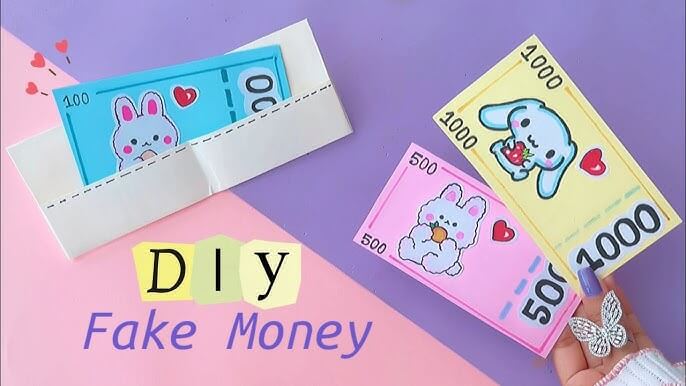
Everyday objects that closely resemble real life enhance the authenticity of our stories. Despite its fleeting appearance on screen, money is one detail that viewers can easily discern. When it fails to seem or sound realistic, it can completely remove you from a scene. Everyone else is chasing this narrative of real money, while creators are not trying to replicate it.
Why Paper Choice Matters?
For those looking for answers around how to make fake money feel real, please note that paper is the bedrock of any convincing fiat currency. Real money is something viewers instinctively can tell by the feel and heft of it. Using normal printing paper will immediately expose the prop. Choosing the right paper develops a tangible visual credibility that can stand up to scrutiny. The right stock, however, lends credibility while preventing the audience from breaking out of suspension of disbelief.
Qualities of Actual Currency Paper
Actual notes are made out of a mix of cotton and linen fibers. The combination gives it a sturdiness and feel that you cannot find in regular copier paper. When you touch the material itself, it feels ever-so-slightly crispy and is resistant to ripping. To imitate these traits, you need to locate a paper with a comparable mix of fibers and density. Exact matches are not exactly possible, but cotton-rich or high-quality bond papers usually provide the closest.
Selecting Paper for Realism
For on-screen realism, thin sheets of paper are vital, as they need to carry the appropriate weight and texture. Something that works exceptionally well is choosing the weight of 70 to 90 grams per square meter for the sheet. This choice is similar to the weight and adaptability of real money. Steer clear of glossy or overly smooth surfaces; real currency has an almost textile feel.
So-called textured papers—more commonly known as laid or linen-finish papers—can help provide that slight tactile resistance that microfilmed bills achieve, therefore tempting the handwriting analyst to want to believe the realism of the representation of the material attributes of true currency quality.
Printing Techniques for Added Authenticity
The principle is also related to using accurate printing techniques. While traditional laser or inkjet printers will produce a clear image, the ink finish should not be shiny. This prevents unnatural reflections under studio lighting—matte inks or a proper selection of toner settings help. This feature means if you flip or move the bill around in the prop, both sides look realistic thanks to double-sided printing. Making the images slightly misaligned or adding subtle imperfections emulates the tradebills’ appearance.
Safety and Legal Considerations
But if you are making fake money that is realistic-looking, you face legal obligations. Generally, the law stipulates the proper currency, which includes the actual size of the notes and markings that indicate whether it is fake currency. This prevents confusion and guarantees adherence to ethical and legal standards. Return props to safety, stow props after use, and keep them separated from real cash.
Practical Tips for Best Results
Testing a range of paper samples before committing to a full print run can cut down time and make better use of resources. Paper can often appear differently under different lighting conditions on set, so it might be a good idea to test the paper under the lights that will be used for the shooting as well. Collecting opinions from others and searching for any parts that seem unnatural or distracting can be useful. Changing the paper type or finish can make a large impact on the final product.
Conclusion
The first thing you need when making convincing fake money for the camera is the proper paper. The weight, texture, and additional ‘finishing’ details of the prop should assist in the narrative, not distract it. By making the right choice as well as honoring laws, professionals can obtain a look that is sensible to both the kind and the metaphoric eye.




Leave a Reply
You must be logged in to post a comment.