Content Attributes
A toothache might feel like “just dental pain,” but a serious tooth infection can, in rare cases, become life-threatening. Many people search how long until a tooth infection kills you because they are scared, in pain, and unsure how urgent the problem is. The truth is that most tooth infections are easily treated if you see a dentist early. The danger begins when the infection is ignored for days, weeks, or even months.
Modern dental care and antibiotics mean death from a tooth infection is uncommon, but it still happens. Once bacteria spread from the tooth into the jaw, neck, or bloodstream, it can trigger deep neck infections, sepsis, or breathing problems – all of which can be fatal without emergency treatment. That’s why you should never wait and see how long before a tooth infection kills you. Instead, you should ask, “How fast can I get proper treatment?”
Important: This article is for general education, not a diagnosis. If you suspect a tooth infection, especially with swelling, fever, or trouble breathing, seek urgent dental or medical care immediately.
What Is a Tooth Infection and Why Can It Be Dangerous?
A tooth infection, also called a dental abscess, happens when bacteria get deep inside the tooth or gums. This usually starts with tooth decay, gum disease, or an injury that lets germs reach the soft inner part of the tooth (the pulp). As bacteria multiply, they create pus and pressure, which is what causes throbbing pain.
If the infection stays trapped around the tooth, it is painful but usually not life-threatening. The real danger appears when infection breaks out of that small space and spreads to nearby tissues in the face, jaw, or neck. From there, it can travel into the bloodstream and affect other organs. That is how a local dental problem can eventually become a whole-body emergency like sepsis.
Common causes of a tooth infection include:
- Untreated cavities (dental decay)
- Cracked or broken teeth
- Poorly treated dental work
- Severe gum disease
- Trauma to the face or jaw
Sometimes people keep asking can a cavity kill you because they cannot imagine a simple hole in a tooth leading to death. The answer is that a cavity itself does not kill you, but it creates the door through which bacteria can enter, cause an abscess, and then, in rare cases, spread and become fatal.
How Long Until a Tooth Infection Kills You? (Honest Timeline)
People often want a specific number of days when they search how long until a tooth infection kills you or how long until tooth infection kills you. Unfortunately, there is no single exact timeline. It depends on your general health, the type of bacteria, how fast it spreads, and how long you wait to get help.
From expert dental sources:
- An untreated tooth infection can spread to other tissues within weeks or months and lead to life-threatening complications in rare cases.
- Once the infection has spread beyond the tooth to spaces in the head and neck, sepsis or deep neck infections can sometimes develop in as little as 48–72 hours.
So, how fast can a tooth infection kill you?
- If the infection is limited to the tooth, death is extremely unlikely.
- If it spreads into the jaw, neck, or chest and is not treated, serious complications can appear over days to weeks.
- In the most severe situations, once sepsis sets in, a patient can become critically ill within hours to a few days.
Most dentists agree: you should never wait to see how long before a tooth infection kills you. Instead, treat any tooth infection as urgent. Early treatment usually stops the infection quickly and prevents it from ever becoming life-threatening.
Can a Cavity Kill You? How Decay Turns into Danger
The question can a cavity kill you sounds dramatic, but it touches a real medical risk. A simple cavity is just the early stage of tooth decay. At this stage, the damage is limited to the hard outer layers of the tooth. It is uncomfortable, but not deadly. The danger appears when that cavity is ignored for months or years and gets deeper.
Here is how a cavity can lead to serious trouble:
- Stage 1 – Early decay: Only the enamel is affected. A filling can easily fix it.
- Stage 2 – Deep cavity: The decay reaches dentin and then the pulp, causing strong pain and sensitivity.
- Stage 3 – Pulp infection: Bacteria invade the nerve and blood vessels inside the tooth.
- Stage 4 – Abscess formation: Pus forms at the root, causing swelling and severe pain.
- Stage 5 – Spread of infection: Infection may spread to jaw, face, neck or bloodstream, which is where it becomes dangerous.
At the severe end of this process, you could say a cavity “killed” someone, but really it was the untreated infection that caused death. Studies show that deaths from dental infections are rare, especially when people have access to dentists and emergency care. The key lesson is simple: do not wait until a cavity turns into a full infection. Treat dental problems early, before you ever have to worry about how long until a tooth infection kills you.
Stages of a Tooth Infection: From Toothache to Emergency
Understanding the stages of a tooth infection helps you see when it turns from painful to truly dangerous. While every person is different, many infections follow a similar pattern.
Stage 1 – Toothache starts
- You may feel sensitivity to hot, cold, or sweet foods.
- Pain may be sharp when chewing or biting.
- Over-the-counter painkillers seem to help for a while.
Stage 2 – Constant, throbbing pain
- Pain becomes more intense and may keep you awake at night.
- You might notice swelling around the tooth or gum.
- This suggests the pulp is infected and an abscess may be forming.
Stage 3 – Abscess and local swelling
- A pocket of pus forms, often at the root of the tooth.
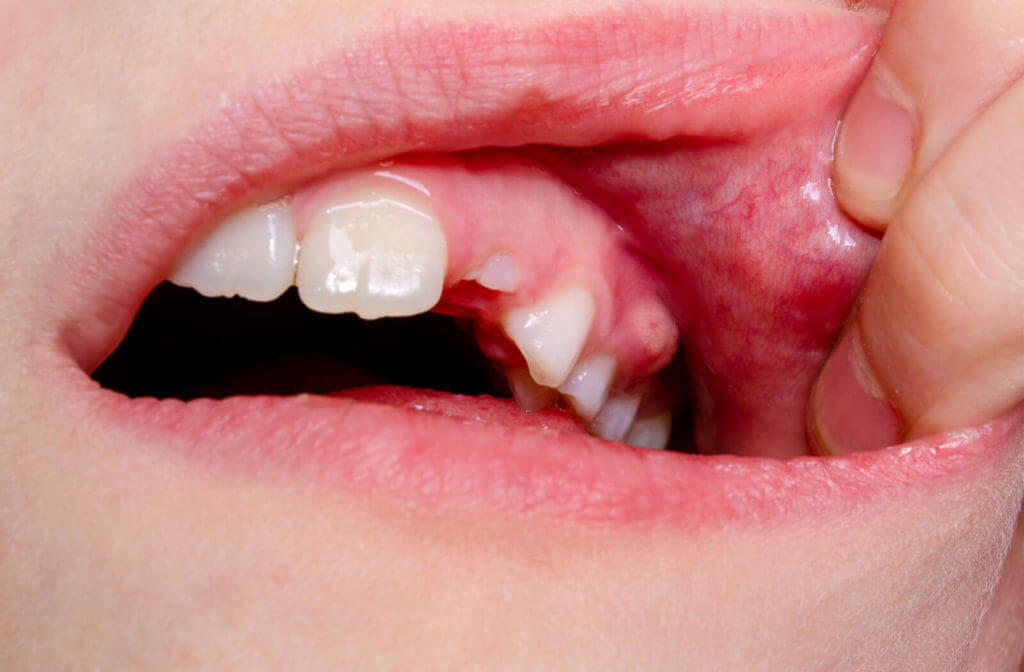
- You may see a pimple-like bump on the gum that can ooze bad-tasting fluid.
- Swelling may spread to the cheek or jaw, and you may get a fever.
Stage 4 – Spreading infection
- Swelling may extend to the neck, under the tongue, or near the eye.
- You may feel unwell, with nausea, headache, or feeling very tired.
- At this stage, doctors worry about deeper space infections and sepsis.
Stage 5 – Life-threatening complications
- Breathing or swallowing becomes difficult.
- You may have a very high fever, fast heart rate, confusion, or fainting.
- This can mean sepsis or conditions like Ludwig’s angina, both medical emergencies.
At any point from Stage 3 onward, waiting “to see what happens” is extremely risky. Once infection spreads, how fast can a tooth infection kill you depends largely on how quickly you receive emergency treatment.
Warning Signs Your Tooth Infection Is Spreading (When to Go to the ER)
If you are wondering how long until tooth infection kills you, you probably already feel unwell. Instead of counting days, look for clear warning signs that the infection is spreading and becoming dangerous. Dental and medical organizations highlight these red flags:
Go to the emergency room or call emergency services immediately if you have:
- Difficulty breathing or shortness of breath
- Trouble swallowing, drooling, or feeling like your throat is closing
- Swelling in the face, neck, or under the tongue that is getting worse
- High fever, chills, or feeling extremely weak
- Rapid heartbeat, confusion, or feeling like you might pass out
These signs suggest that the infection has moved beyond the tooth and local area and may be affecting your airway or bloodstream. In this situation, yes, a tooth infection can kill you if you do not get urgent help.
Contact a dentist the same day if you notice:
- New or worsening swelling in the gum, cheek, or jaw
- Pus draining from a pimple on the gum
- Persistent throbbing pain that does not improve with painkillers
- Bad taste or smell in the mouth along with pain
- Fever or generally feeling sick
Even if you do not yet have severe symptoms, these signs mean the infection is active. You should not wait to see how long before a tooth infection kills you. Getting treatment quickly greatly lowers the risk of serious complications.
Who Is at Higher Risk of Dying from a Tooth Infection?
Not everyone has the same risk level. Some people can fight off infection better than others. Studies and expert guidelines show that certain conditions make it more likely that a tooth infection becomes severe or life-threatening.
Higher-risk groups include:
- Older adults – Aging immune systems may respond more slowly.
- People with weakened immunity – For example, those with HIV, cancer therapy, autoimmune diseases, or on long-term steroids.
- People with uncontrolled diabetes – High blood sugar makes infections harder to control.
- People with poor nutrition or severe chronic illness – The body has fewer resources to fight infection.
- People who delay or avoid dental care – Waiting weeks or months with pain and swelling allows the infection to deepen and spread.
In these groups, a tooth infection may spread more quickly, and the risk that it leads to sepsis or death is higher if treatment is delayed. That does not mean a tooth infection will definitely kill you. It means you should take symptoms even more seriously and act early.
If you or a loved one in a high-risk group is searching how long until a tooth infection kills you, treat that as a signal to call a dentist or doctor now. Early antibiotics, drainage, or a root canal can stop the infection before it reaches a dangerous stage.
How Tooth Infections Are Treated (And How Fast Treatment Works)?
The good news is that dental infections respond well to proper treatment. Once you see a dentist, the focus is to remove the source of infection, drain any pus, and support your body with medicine if needed.
Common treatments include:
- Antibiotics – To control the infection, especially if there is swelling or fever.
- Drainage of abscess – The dentist may open the gum near the infected tooth to release pus and reduce pressure.
- Root canal treatment – Removes infected pulp from inside the tooth, cleans it, and seals it.
- Tooth extraction – If the tooth cannot be saved, removing it can quickly stop further spread.
In many cases, people begin to feel much better within 24–48 hours of proper treatment, especially after drainage or starting antibiotics. However, you must finish the full antibiotic course and attend all follow-up visits, even if you feel fine.
If you were worried about how fast can a tooth infection kill you, remember that acting early changes the story completely. Instead of counting how long until a tooth infection kills you, you focus on how fast a dentist can get you out of danger and out of pain.
Home Remedies vs. Professional Care: What Is Safe and What Is Not?
Many people try home remedies when a tooth first starts to hurt. Warm salt-water rinses, cold packs on the cheek, or over-the-counter pain medicine can give temporary relief. However, they do not cure a true tooth infection.
Safe supportive steps (but NOT a cure):
- Warm salt-water rinses to soothe the area
- Cold compress on your cheek to reduce swelling
- Over-the-counter painkillers taken as directed
- Keeping your head slightly raised when lying down
These steps may help you feel better while you wait to see a dentist, but they do not remove bacteria from inside the tooth.
Dangerous myths and mistakes:
- Ignoring severe pain for days while searching “how long before a tooth infection kills you” instead of visiting a dentist
- Popping or cutting an abscess at home (can spread infection)
- Using leftover or unprescribed antibiotics without dental treatment
- Relying only on herbal or natural remedies when there is obvious swelling and fever
Professional care is essential. If you rely only on home remedies, you give the infection more time to spread – and that is exactly what increases the risk that a tooth infection might become life-threatening.
How To Prevent Tooth Infections from Ever Reaching This Point?
The safest way to avoid worrying about how long until a tooth infection kills you is to stop infections before they start. Good daily habits and regular dentist visits dramatically lower your risk of serious dental problems.
Daily habits:
- Brush at least twice a day with fluoride toothpaste
- Floss once a day to clean between teeth
- Limit sugary snacks and drinks that feed cavity-causing bacteria
- Drink water regularly to rinse food and acids away
Regular professional care:
- Visit your dentist every 6–12 months for check-ups and cleanings
- Treat small cavities before they become big problems
- Get gum disease treated early
- Follow your dentist’s advice if you have conditions like diabetes that affect oral health
Pay attention to early warning signs:
- Sensitivity to hot, cold, or sweet foods
- Occasional toothache that keeps coming back
- Swollen or bleeding gums
- Bad breath that does not improve with brushing
These early signs do not mean you are going to die from a tooth infection. But they are your body’s way of asking for dental attention. Listening early means you never reach the stage where you worry about how long until tooth infection kills you.
FAQs About Tooth Infections and Death Risk
Yes, but it is rare when modern dental care is available. Most infections are treated long before they become life-threatening. However, if ignored, the infection can spread to the jaw, neck, or bloodstream and lead to sepsis or breathing problems, which can be fatal.
There is no fixed time. An infection can take weeks to months to spread from the tooth to other parts of the body. Once it has spread and serious complications like sepsis appear, a person can become critically ill within hours to a few days if they do not get emergency treatment.
If you are older, have diabetes, or a weakened immune system, infections can become serious more quickly and are harder to fight. In these cases, delaying treatment is especially risky. Any swelling, fever, or trouble breathing with dental pain should be treated as an emergency.
A small cavity will not kill you. But if a cavity is ignored, it can deepen, infect the pulp, and turn into an abscess. That abscess is what can spread and become dangerous. So when people ask can a cavity kill you, the real answer is that untreated cavities can lead to infections that, in rare cases, are fatal.
Final Takeaway
Instead of focusing on how long until a tooth infection kills you, focus on how quickly you can get the right help. Tooth infections are common, but death from them is rare when people act early. If you have pain, swelling, or fever, do not ignore it. Call a dentist, follow their advice, and seek emergency care if breathing or swallowing becomes difficult.
Your life and health are far more important than trying to guess the exact number of days a tooth infection might take to become deadly.