Content Attributes
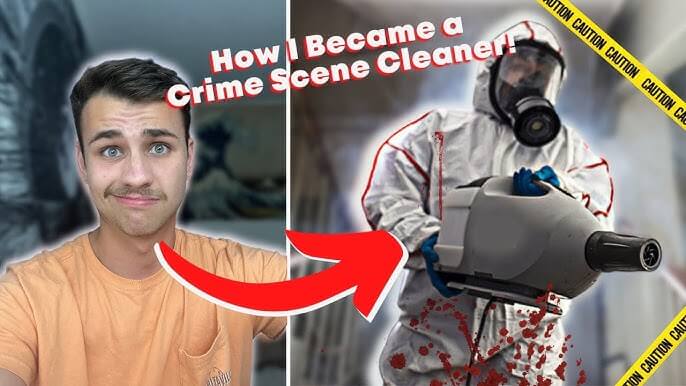
Crime scene cleaner jobs (often called biohazard cleanup, trauma cleanup, or crime scene remediation) are professional cleaning roles focused on removing blood, bodily fluids, and other potentially infectious materials after traumatic events. This can include violent crimes, accidents, unattended deaths, and other situations where the space must be safely restored before people can return. Many top results on Bing—especially industry cleanup companies and job-career guides—repeat the same core idea: the work is not “regular cleaning.” It is health-and-safety cleaning that follows strict procedures and uses specialized chemicals, tools, and protective gear.
A key point people don’t realize at first: crime scene cleaner jobs are not done while police are investigating. Cleanup typically begins only when authorities release the location and it is safe for a certified team to enter. Companies usually arrive after the scene is controlled, then they focus on containment, removal, disinfection, deodorizing, and safe disposal of contaminated materials.
What you actually clean (real-world examples)?
Depending on the call, crime scene cleaner jobs may involve:
- Blood and bodily fluids on floors, walls, furniture, or personal items
- Odor removal (decomposition odors can be intense and persistent)
- Sharps hazards (broken glass, needles, damaged materials)
- Cross-contamination risks (tracking contamination into clean areas)
- Soft goods removal (carpet, drywall, bedding may need removal and disposal)
These jobs can happen in:
- Homes and apartments
- Hotels and short-term rentals
- Vehicles
- Businesses and public spaces
Why this work matters?
From a public-health point of view, proper remediation reduces the risk of exposure to bloodborne pathogens and other harmful contamination. That’s why reputable employers emphasize training, documentation, and correct disposal methods rather than “just making it look clean.” Training-focused sources (and industry bodies) stress that technicians must understand infection risks and proper disinfection techniques.
The emotional side (honest but simple)
Crime scene cleaner jobs can be emotionally demanding. You may work in places where someone experienced tragedy. Many employers look for people who can stay calm, be respectful, and follow a step-by-step process even under stress. If you’re considering this career, it helps to know you’re not only cleaning—you’re helping families and property owners move forward safely.
Skills, Requirements, and Certifications for Crime Scene Cleaner Jobs
If you’re searching for crime scene cleaner jobs, you’ll notice something consistent across leading career articles and industry guides: there isn’t one single “college degree” requirement, but there are important training and safety expectations. Some employers hire entry-level and teach you on the job, while others prefer candidates who already have relevant certificates.
Basic requirements you’ll commonly see
Most companies expect:
- Age requirement (often 18+)
- Valid driver’s license (many jobs are mobile/on-call)
- Physical ability (lifting, wearing PPE for long periods)
- Comfort with strong odors and unpleasant sights
- Professional behavior (you may meet grieving families or property managers)
Some training resources also note that background checks may be required depending on where you work (healthcare settings, sensitive sites, etc.).
The most important knowledge: safety standards
A major “authority” signal in this field is understanding OSHA-related safety requirements. For example:
- Work involving exposure risk to infectious materials is connected to OSHA’s Bloodborne Pathogens requirements (training and protective practices are commonly referenced by industry cleanup companies).
- In certain emergency or post-emergency hazardous situations, OSHA may require training aligned with HAZWOPER standards, depending on the scenario and the declaration of an emergency response.
You don’t need to memorize regulations word-for-word, but employers love candidates who respect safety rules and can follow procedures without shortcuts.
Common certifications and training paths
Different regions and employers use different credentials, but these are widely discussed:
- Bloodborne Pathogens training (very common baseline)
- HAZWOPER training (role-dependent; sometimes required for certain response contexts)
- Biohazard cleaning certification programs (offered by industry groups and training organizations)
Also, several training articles emphasize learning:
- Proper disinfecting and sanitizing methods
- Safe handling of contaminated materials
- How to avoid cross-contamination (clean zone vs. dirty zone)
- Documentation and disposal practices
Skills that help you get hired faster
To stand out for crime scene cleaner jobs, build these skills:
- Attention to detail: missing a spot can be a health risk
- Process discipline: follow steps every time, even when tired
- Communication: explain the process clearly to a client
- Teamwork: many jobs require 2+ technicians
- Discretion and empathy: you’re often in sensitive environments
If you can show these traits in your resume and interview, you’ll look like a safe hire—even if you’re new.
What the Daily Work Looks Like: Tools, Steps, and Safety?
People often search “crime scene cleaner jobs” thinking it’s just cleaning with stronger chemicals. In reality, the job is closer to controlled remediation: you contain risk, remove hazards, clean and disinfect, and confirm the area is safe to re-enter. Industry explainers commonly describe a sequence like: secure/contain the area, remove biohazards, disinfect, deodorize, and safely dispose of waste.
A typical job flow (simple version)
Here’s what many teams do on-site:
- Assessment & plan
- Identify contaminated surfaces and porous materials (carpet/drywall)
- Decide what must be removed vs. treated
- Scene control and containment
- Block access
- Create containment zones with plastic sheeting/barriers to reduce spread
- PPE up and safety check
- Full protective gear, check sharps risks, ventilation plan
- Removal of contaminated materials
- Bagging, sealing, labeling (following disposal rules)
- Cleaning + disinfection
- Apply professional disinfectants using correct dwell times
- Deodorizing and restoration steps
- Odor control, HEPA air filtration, sometimes ozone treatment (varies by company)
- Final verification + documentation
- Photos, checklists, waste manifests (company-specific)
This process focus is exactly why employers care about training and protocols: you’re not just “making it look better.” You’re reducing exposure risks.
Common tools and supplies in crime scene cleaner jobs
Professional supply lists often include:
- PPE: gloves, suits, face/eye protection, boot covers
- HEPA filtration tools and vacuums
- Professional disinfectants and enzyme cleaners
- Sharps containers and biohazard waste bags
- Containment materials: plastic sheeting, tape, signage
- Odor-control tools (varies by job)
Safety is the real “skill”
If you want long-term success in crime scene cleaner jobs, your #1 priority must be safety. That means:
- Treat all bodily fluids as potentially infectious
- Never reuse contaminated PPE incorrectly
- Avoid tracking contamination into clean areas
- Follow the employer’s disposal process exactly
- Keep up with required training refreshers (many employers expect this)
Also, remember that legal and disposal rules can vary by location (city/state/country). “GEO-smart” candidates mention this in interviews: “I follow local disposal requirements and company SOPs.”
On-call reality (what job posts don’t always highlight)
Many crime scene cleaner jobs involve:
- Nights, weekends, and holidays
- Unpredictable call volume
- Long shifts when a job is complex
If you want a more stable schedule, look for roles in hospital/medical waste support, industrial remediation, or specialty cleaning companies with structured shifts—but those may be labeled differently than crime scene cleaner jobs.
Salary, Hours, and Career Growth in Crime Scene Cleaner Jobs
Pay is one of the biggest questions people ask when researching crime scene cleaner jobs. The tricky part: salary varies widely based on location, company, call volume, experience, and whether you’re hourly, salaried, or paid per job.
What the numbers look like (real-world ranges)?
Different salary platforms report different figures because they use different data sources (employee submissions, job ads, employer estimates). For example:
- Glassdoor shows an average around $60k/year in the U.S. (based on submitted data as of February 2026).
- Payscale reports an average hourly rate around the low-to-mid $20s/hour (data updated in late 2025).
- Some employer/job-site pages show lower “typical” figures or wide ranges depending on definitions and postings.
A practical takeaway: entry-level crime scene cleaner jobs may start closer to general specialty-cleaning wages in your area, but trained technicians who work on-call and handle complex jobs can earn more—especially with overtime.
What affects your pay the most?
If you’re trying to increase earnings in crime scene cleaner jobs, focus on:
- Certifications (bloodborne pathogens, biohazard programs, role-specific training)
- Being reliable for on-call shifts (more calls = more hours/overtime)
- Experience with difficult scenarios (decomposition, heavy contamination)
- Strong documentation habits (important for insurance and compliance)
- Driving flexibility (covering a wider service area)
Career ladder options
Many people think crime scene cleaner jobs are a dead-end. They’re not—if you plan your path. Common growth steps include:
- Technician (entry-level)
- Lead technician / field trainer
- Supervisor / operations coordinator
- Estimator or project manager (handles quotes, insurance, scheduling)
- Owner/operator (starting a biohazard cleanup business is a real path, but requires serious compliance and insurance planning)
Some training sources also discuss “business aspects” like pricing and customer relations, which matters if you aim to move into management or ownership.
Is demand growing?
You’ll consistently see crime scene cleaner jobs tied to broader needs:
- Trauma and accident cleanup
- Unattended death cleanup
- Hoarding and sanitation remediation
- Infectious contamination cleanup
Demand can be steady because these incidents unfortunately happen everywhere—but competition can be strong in large cities where more companies operate. The best way to stay employable is to be safe, dependable, and trained.
How to Find Crime Scene Cleaner Jobs and Get Hired Faster?
If you’ve decided you want crime scene cleaner jobs, your next step is turning interest into a hire. Many career guides outline a similar process: build basic training, prepare a resume, apply, interview, then complete on-the-job training. (Indeed)
Where to search (beyond typing the keyword)?
Try these search terms and places:
- Search job boards for:
- “crime scene cleaner jobs”
- “biohazard technician”
- “trauma cleanup technician”
- “remediation technician”
- Check local companies that provide:
- Trauma cleanup
- Hoarding cleanup
- Water/fire restoration (some also do biohazard work)
Also, many openings never say “crime scene” directly. They may be labeled as “biohazard” or “trauma services.”
Resume tips that actually work for this niche
A strong resume for crime scene cleaner jobs should emphasize safety + reliability, not fancy wording. Include:
- Any safety training (bloodborne pathogens, HAZWOPER if applicable)
- PPE experience (even from construction, healthcare, or industrial cleaning)
- Willingness to be on-call and travel locally
- Clean driving record (if true)
- Soft skills: discretion, empathy, calm under pressure
Simple resume bullet examples:
- Followed strict PPE and contamination-control procedures in high-risk environments
- Cleaned and disinfected areas using documented step-by-step protocols
- Worked on-call schedules and responded quickly to urgent requests
Interview questions you should prepare for
Employers hiring for crime scene cleaner jobs often test whether you’ll be safe and dependable:
- “How do you handle unpleasant scenes or strong odors?”
- “Are you comfortable being on-call nights/weekends?”
- “Tell me about a time you followed a strict safety process.”
- “How do you avoid cross-contamination?” (mention containment zones)
A strong answer is calm and practical. Example:
- “I focus on the procedure: PPE, containment, safe removal, disinfection, and disposal. I don’t rush steps.”
What to ask the employer (smart questions)?
To avoid bad surprises, ask:
- What training do you provide (bloodborne pathogens, HAZWOPER if needed)?
- How often are technicians on-call?
- Is pay hourly, salary, or per job? Is overtime common?
- Do you provide PPE and supplies?
- How do you handle disposal and compliance documentation?
These questions show maturity and help you avoid unsafe workplaces.
Quick recap (what to do this week)
If you want crime scene cleaner jobs soon:
- Complete a basic bloodborne pathogens course (or employer-provided equivalent)
- Update your resume to highlight safety, reliability, and on-call readiness
- Apply using multiple keywords (crime scene, biohazard, trauma cleanup)
- Practice interview answers focused on process and safety
- Be ready for on-call schedules and physically demanding work
FAQs About Crime Scene Cleaner Jobs
They involve removing blood and other biohazards, disinfecting affected areas, controlling odors, and safely disposing of contaminated materials—usually after the site is released by authorities.
Most employers don’t require a college degree. They care more about safety training, reliability, and your ability to follow procedures and work on-call.
Commonly requested training includes Bloodborne Pathogens training and, in some roles, HAZWOPER (depending on the job type and regulations). Some companies also prefer biohazard/trauma cleanup certification programs.
It can be if safety rules aren’t followed. The main risks are exposure to infectious materials and sharp objects. Proper PPE, containment steps, and correct disposal procedures greatly reduce risk.
Pay varies by location and employer. Many roles are hourly with overtime/on-call pay, and experienced techs can earn more—especially in high-demand areas.
Many are. Calls can come at night, on weekends, or on holidays. Some companies offer shift-based roles, but on-call work is common.
Search using related titles like “biohazard technician,” “trauma cleanup,” or “remediation technician.” Highlight safety experience, willingness to be on-call, and any training you’ve completed, then apply directly on company websites and major job boards.





Leave a Reply
You must be logged in to post a comment.