Content Attributes
Auckland households now face steeper air conditioning invoices than they did a few years ago. Labour charges, transport fees, refrigerant rules, and imported components have all pushed repair bills higher. That shift matters because a small fault can quickly become a large expense. A careful decision now depends on system age, operating efficiency, fault severity, and replacement cost. For many properties, the lowest quote today may still lead to higher spending across the next two summers.
Price Shift
Routine service visits no longer feel routine once the invoice arrives. In Auckland, many people now start callouts at NZ$130 to NZ$210 before adding tax, travel, or parts. That explains why searches for air conditioning repair in Auckland often start with a blunt financial question: should an owner approve the repair or step back and price a new system instead?
Why Costs Rose
Several pressures sit behind the increase. Imported boards, motors, and sensors cost more than they once did, and shipping still affects availability. Refrigerant work also carries tighter handling rules, which raises labour charges. Evening and weekend attendance adds another dimension. Often, an after-hours visit can exceed NZ$300 before replacement components are even discussed.
Common Repair Bands
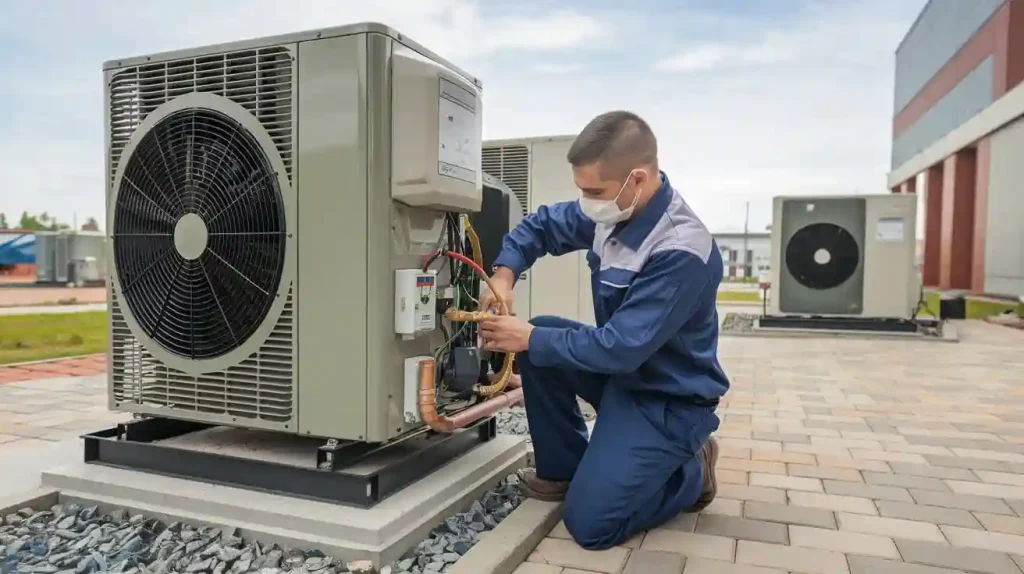
Basic maintenance still sits at the lower end of the range. A standard clean, filter wash, and performance check may begin near NZ$130. Once a technician starts tracing an electrical or refrigerant fault, totals can rise fast. Hourly labour at around NZ$155 is common. Add travel time and a single component, and a modest problem can move into the NZ$300 to NZ$500 bracket.
Fault Type Matters
The nature of the fault changes the calculation. A blocked drain, faulty sensor, loose connection, or failed capacitor often stays within a sensible repair budget. A damaged fan motor or electronic board is harder on the wallet. Compressor failure is the clearest warning sign. Those jobs combine higher labour costs, heavier parts costs, and a greater chance of future trouble.
Age Changes Value
Age should guide the conversation early. Systems under seven years old often merit repair if the main parts remain healthy and the service history is clean. Equipment past ten to twelve years needs stricter scrutiny. Older units may still cool a room, yet components can be expensive and slow to source. One visible fault may also sit besides wear elsewhere.
Efficiency Counts
Power use deserves equal weight. An ageing unit can sometimes be repaired for less than replacement, yet that saving may disappear through higher electricity use. Newer models usually regulate temperature with less strain and shorter run cycles. In Auckland summers, that matters. A repair that preserves poor operating efficiency may postpone replacement while quietly increasing monthly household costs.
A Useful Rule
Many technicians rely on a simple threshold. If a quoted repair reaches about 40 to 50 percent of a comparable new unit, replacement deserves close review. That rule becomes stronger when the existing system is older. It also matters when the fault affects the compressor, refrigerant circuit, or control board. Large repairs can consume money without restoring dependable long-term performance.
Better Repair Cases
Repair still makes sense in many homes and small workplaces. A younger system with stable performance and one isolated fault usually remains worth fixing. The same applies when parts are readily available and the installation already suits the room size well. In that setting, targeted work can extend useful service life, preserve earlier installation spending, and avoid a rushed replacement decision.
Clear Replace Signals
Replacement often becomes the safer path when faults repeat within a short period. Rising noise, weaker airflow, uneven cooling, and higher electricity use can point to broad system decline. Another warning appears when a quote leaves room for extra faults to emerge later. Open-ended repairs carry risk. Paying more upfront for a newer unit may reduce running costs and future service visits.
Conclusion
Repair costs in Auckland have moved beyond the point where every breakdown deserves an automatic yes. Sound decisions now rest on four checks, age, efficiency, fault type, and repair cost compared with replacement. Minor problems in younger systems often justify repair. Major failures in older equipment often do not. A calm review of present spending against future value gives property owners the clearest answer and often protects their budget over time.