Content Attributes
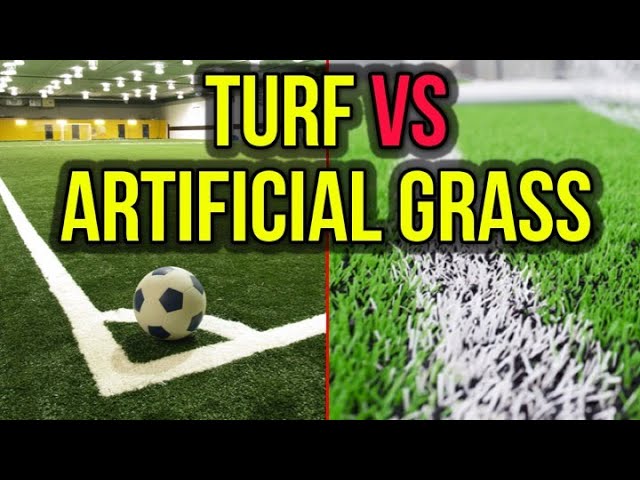
If you search artificial turf vs artificial grass, you’ll notice something funny: many people use the words like they mean the same thing. In casual conversation, they often do. But in the real world—especially when you’re buying a product—artificial turf vs artificial grass can mean two different “families” of surfaces.
Here’s the simplest way to think about it:
- Artificial grass usually means a softer, taller, more natural-looking surface made mainly for homes, gardens, terraces, balconies, and commercial landscaping.
- Artificial turf often means a shorter, tougher, more performance-focused surface made for sports, heavy foot traffic, training areas, and sometimes playgrounds.
This is not just wordplay. The differences affect how the surface feels underfoot, how it handles heat and drainage, what type of infill it uses, and how long it lasts.
When people compare artificial turf vs artificial grass, they usually want answers to questions like:
- Which one looks more real?
- Which one is safer for kids or athletes?
- Which one works better for pets?
- Which one stays cooler?
- Which one is cheaper over time?
This guide is written to match what typically ranks well in search: clear definitions, a practical comparison, use-case recommendations, and a buying checklist—so you can confidently choose between artificial turf vs artificial grass.
Meaning and Terminology: What “Turf” and “Grass” Usually Refer To
When you research artificial turf vs artificial grass, you’ll see that the biggest problem is terminology. Different industries use the same words differently.
How the terms are commonly used?
In sports and performance settings
- “Turf” is often used to describe synthetic sports systems designed for traction, ball roll, and durability under intense wear. Many guides describe turf as shorter and more rugged than landscaping grass.
- Sports governing bodies also treat synthetic pitches as performance systems with testing and standards (more on that later).
In landscaping and home settings
- “Artificial grass” usually means products designed to mimic the look and feel of natural lawn grass, often with longer fibers, more color variation, and a softer touch.
Why some articles say they’re “the same”?
Some manufacturers and sellers use both terms for marketing. One company may call a backyard product “turf,” while another calls the same thing “artificial grass.” That’s why it helps to compare specs, not just labels.
The practical definition you can use when shopping
To compare artificial turf vs artificial grass in a way that actually helps you buy, focus on these signals:
- Pile height (fiber length): Turf is often shorter; artificial grass is often taller.
- Feel and skin comfort: Turf can feel rougher and be more likely to cause scrapes in certain low-pile products; landscaping grass is usually made to feel softer.
- Infill and base system: Sports turf frequently uses infill systems and shock pads; landscaping grass may use sand or pet-friendly infill, or sometimes no infill depending on design.
A quick “label translation” cheat sheet
If you’re stuck in the artificial turf vs artificial grass debate, this is an easy rule of thumb:
- If it’s marketed for football/soccer, cricket practice, training, putting greens, multi-sport, it’s probably closer to artificial turf.
- If it’s marketed for lawns, gardens, rooftops, balconies, pool sides, pet yards, it’s probably closer to artificial grass.
That said, always confirm with specifications. Two products can both be called “turf,” but one might be a soft 35–40 mm landscaping grass while the other is a 10–20 mm high-wear sports surface.
Core Differences: Build, Performance, Look, and Feel
When people compare artificial turf vs artificial grass, they usually want to know what physically changes between them. The differences often come down to fiber design, backing, infill, and the overall system.
Fiber height and density (what you see and feel)
- Artificial turf often has shorter fibers and is built for repeated impact and fast movement.
- Artificial grass often uses longer fibers and multi-tone blades to look more like real lawn grass.
What this means in real life
- Shorter fibers can feel firmer and allow easier foot pivoting in sports.
- Longer fibers can feel softer, look fuller, and hide the backing better in home landscapes.
Infill: sand, rubber, or alternative materials
Infill is the material spread between the blades to help the surface:
- stand upright
- add weight and stability
- manage impact and bounce
- improve traction
Sports turf systems often use infill and engineered layers more heavily than many landscaping installs.
Health and safety note (especially for crumb rubber)
Some synthetic sports fields and playground surfaces use recycled tire crumb rubber as infill. Public concerns have led to major research efforts and ongoing reviews by agencies like U.S. Environmental Protection Agency and Centers for Disease Control and Prevention.
A related Q&A from National Toxicology Program notes that research has not shown an increased health concern, but also says additional studies are still needed in some areas.
Backing, drainage, and shock absorption
Both artificial turf and artificial grass have a backing (the “base fabric”) and drainage holes or channels. But sports systems are often designed as a complete performance surface, sometimes with shock pads and specific testing requirements.
For football/soccer surfaces, FIFA has a quality programme that awards marks (like FIFA QUALITY and FIFA QUALITY PRO) to pitches that meet certain standards.
This matters in the artificial turf vs artificial grass discussion because sports turf is frequently evaluated as a system (base + pad + infill + fibers), not just as “a carpet of grass.”
Appearance: realism vs performance
Artificial grass made for landscaping usually focuses on:
- multi-color blades (light + dark)
- thatch layers (curly fibers near the base)
- less “flat” shine
- more natural lawn look
Some explainers also note turf products may be simpler in color and more uniform, while artificial grass often offers more shade variation.
Quick comparison table
| Feature | Artificial turf (common use) | Artificial grass (common use) |
|---|---|---|
| Main goal | Performance + durability | Realistic look + comfort |
| Typical fiber height | Short to medium | Medium to tall |
| Feel | Firmer, sometimes rougher | Softer, more lawn-like |
| Infill | Often used, performance-focused | Used based on comfort/pets/drainage |
| Best for | Sports, training, heavy traffic | Homes, gardens, balconies, decor |
In other words, artificial turf vs artificial grass is less about “fake vs fake” and more about performance system vs landscape realism.
Best Use Cases: Sports Fields, Lawns, Pets, Playgrounds, and Rooftops
Once you understand the build differences, the artificial turf vs artificial grass choice becomes much easier—because each one shines in different places.
A) Sports and training areas (football, soccer, multi-sport, cricket practice)
Choose artificial turf if you need:
- predictable traction
- stable footing for quick direction changes
- consistent ball roll and bounce
- durability under cleats and high traffic
If you’re building a serious sports surface, you’ll often hear about compliance and testing programs (for example, football turf quality standards).
Also, pro sports continue to refine field requirements. For example, National Football League announced mandatory field standards and testing concepts aimed at consistent surface performance and player safety.
B) Home lawns and landscaping (front yards, backyards, commercial lawns)
Choose artificial grass if you want:
- a natural-looking lawn style
- a softer feel for bare feet
- a good “always green” look with low routine maintenance
Modern artificial lawn products have become popular for water-saving and low upkeep in many climates.
If your main concern is curb appeal, the artificial turf vs artificial grass decision usually leans toward artificial grass—because it’s designed to look like real grass from a distance and up close.
C) Pets: dog runs and pet-friendly backyards
Both can work, but artificial grass is often preferred for pets because it’s chosen for comfort and can be installed with pet-focused drainage and odor control.
For pets, pay extra attention to:
- drainage rate and base design (this matters more than the top carpet)
- antimicrobial options (if available)
- infill choice (some infills manage odor and heat better than others)
D) Kids and playgrounds
Playgrounds are where the artificial turf vs artificial grass debate gets serious.
Key considerations:
- Impact safety: Some systems include shock pads or specialized underlayment for fall safety.
- Heat: Synthetic surfaces can get significantly hotter in sunlight.
- Infill type: Some playgrounds use crumb rubber, which has been the subject of public concern and federal research.
A public health page from Virginia Department of Health notes synthetic turf can be much hotter than natural grass and highlights heat-related illness concerns in prolonged play.
So for playgrounds, you can still use synthetic surfaces—but you should plan for:
- shade structures
- hydration breaks
- lighter infill options (where appropriate)
- cooling steps (hosing down, misting, timing play)
E) Rooftops, balconies, pool sides, and decorative spaces
Artificial grass usually wins here because it’s:
- softer for lounging
- more decorative
- often chosen for look and comfort rather than sport performance
The summary: artificial turf vs artificial grass becomes simple when you decide whether your priority is performance (turf) or natural lawn comfort + realism (grass).
Cost, Maintenance, Heat, Safety, and Environment: A Smart Buying Checklist
Most people start with artificial turf vs artificial grass as a “which is better?” question. A smarter question is: which is better for my budget, climate, and usage?
Cost: upfront vs long-term value
- Upfront cost can be higher for premium landscaping grass (realistic fibers) or for sports turf systems (shock pad + infill + base engineering).
- Long-term value depends on lifespan, repairs, and how well the base drains.
Home-focused guides often cite installed turf costs that can be significant but may pay off if it reduces watering, mowing, and chemical lawn care.
If you’re comparing artificial turf vs artificial grass on cost alone, remember:
- A cheap product with a poor base can fail early (wrinkles, smell, drainage problems).
- A mid-range carpet with an excellent base can outperform a premium carpet with a weak base.
Maintenance: “low maintenance” isn’t “no maintenance”
Both artificial turf and artificial grass need basic upkeep:
- remove leaves and debris
- brush fibers upright (especially in high-traffic areas)
- rinse occasionally (especially pet zones)
- check seams and edges yearly
Sports turf may need additional grooming to keep infill even and playing performance consistent.
Heat: an honest downside you should plan for
Heat is one of the biggest practical issues in artificial turf vs artificial grass comparisons. In direct sun, synthetic surfaces can become much hotter than natural grass—especially systems using crumb rubber infill.
Simple heat-reduction tips
- Choose lighter-colored infill or alternative infills (where available)
- Add shade (trees, sails, pergolas)
- Rinse the surface before use
- Avoid peak sun hours in summer
Safety and health: what reputable sources say
For crumb rubber infill, there has been major federal research because of public concerns. The National Toxicology Program summarizes that research has not shown increased health concern, while also noting that additional studies are still needed for some exposure questions.
This means your takeaway in the artificial turf vs artificial grass decision should be balanced:
- Many people use these fields without known elevated risk signals in the available summaries.
- It’s still reasonable to prefer alternative infills (or well-designed non-crumb systems) if you want extra peace of mind—especially for frequent child play.
Environment: water savings vs materials and end-of-life
Pros often mentioned:
- reduced water use
- reduced fertilizer/pesticide use
- consistent look without lawn chemicals
Trade-offs:
- plastic-based materials
- eventual replacement and disposal
- possible microplastic shedding over time (an area of ongoing concern and research in broader environmental discussions)
The buying checklist (use this to decide fast)
When choosing artificial turf vs artificial grass, ask these questions:
1) What’s the primary use?
- Sports/training → lean turf
- Lawn/landscape/pets → lean artificial grass
2) How much traffic will it get?
- Heavy daily use → choose higher face weight/density and a strong base
3) What’s your climate like?
- Very hot summers → prioritize cooling strategies and infill choices (Virginia Department of Health)
4) Do you need high drainage (pets, monsoon rains, pool area)?
- If yes, invest in base + drainage design (this is critical)
5) Any safety standards needed (schools, clubs, public spaces)?
- Sports clubs may want surfaces aligned with recognized testing approaches and quality programs.
FAQ (quick answers people search)
Not always. In common use, “turf” often points to sports-style, shorter, performance surfaces, while “artificial grass” often points to softer, lawn-like landscaping products.
Most homeowners prefer artificial grass because it’s designed to look more natural and feel softer.
Yes, it can get much hotter than natural grass in sunlight, so plan shade/cooling strategies—especially in hot regions.
Final Takeaway
If you’re stuck choosing artificial turf vs artificial grass, decide based on purpose:
- Pick artificial turf when performance, durability, traction, and sports-style play matter most.
- Pick artificial grass when comfort, realism, and everyday home use matter most.
If you tell me your use case (sports vs lawn vs pets vs rooftop), your city/climate, and approximate area size, I can recommend the ideal pile height range, infill direction, and a practical spec checklist to give installers—so you get the right result the first time.





Leave a Reply
You must be logged in to post a comment.