Content Attributes
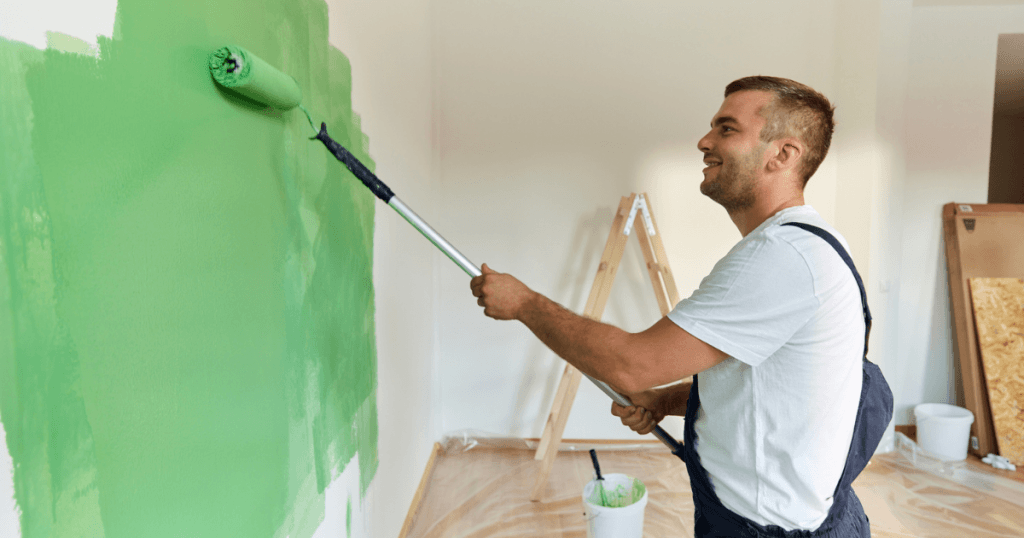
Preparation forms the backbone of every successful painting project. Professionals know that the quality of the groundwork greatly influences the final result. Skipping essential steps can lead to unsatisfactory finishes, peelings, or uneven coloring.
By following a thorough process, experts consistently achieve long-lasting and attractive outcomes. These preparatory measures, often overlooked by amateurs, remain non-negotiable for those seeking flawless results. Here are ten crucial steps that professional house painters always include before bringing out brushes and rollers.
Inspecting Surfaces Thoroughly
Before any paint touches the wall, professionals inspect each surface for flaws. Cracks, stains, and peeling paint are identified and marked. This careful examination ensures that no hidden problems interfere with the finish. A clear understanding of the current condition helps determine which repairs or treatments are required. For projects handled by house painters in Wellington, this initial inspection stage is crucial, since identifying cracks and peeling areas early helps ensure a smoother, longer-lasting finish.
Cleaning Every Surface
Pollution, oil, and dust make it difficult for the paint to bond, giving you an inconsistent finish. Painters clean walls, ceilings, and trim with the appropriate solution. Specifically, this cleansing process strips away contaminants and establishes a smooth foundation for the rest of the steps. Primers and paint absorb clean surfaces more evenly, leading to uniformity.
Repairing Imperfections
Even small holes, dimples, or cracks can destroy a perfect wall if left to fester. Professional painters fill these imperfections with quality compounds. The areas are sanded once dry to make them flush with the surrounding area. They also ensure that the painted walls are perfect and a uniform colour.
Removing Flaking Paint
Before adding layers of paint, any peeling or flaking paint needs to be scraped off. Professionals use appropriate tools to remove the debris completely. The goal is to avoid possible issues like bubbling or peeling of the new layer. Removal done correctly gives a firm, steady base for paint to adhere to.
Sanding for Smoothness
Even the finest paint cannot conceal bare spots or rough patches. Sanding every side creates a uniform, smooth surface. Whether working on wood, plaster, or drywall, pros use the right grit for each area. The result is a surface that is ready to accept paint adherently and aesthetically.
Priming Before Painting
Primer creates a conduit between paint and all surfaces. It allows for better paint application and even coloration. Professionals choose primers based on the materials and situations the paint will be applied to (wood, drywall, or over existing paint). It additionally acts as a barrier to stains, keeping them from bleeding through coats of new paint.
Protecting Adjacent Areas
Skilled painters never leave floors, windows, or furniture exposed. Drop cloths, plastic sheeting, and painter’s tape shield these areas from drips and splatters. This protection saves time during cleanup and guards valuable belongings from accidental damage. Taking these precautions demonstrates respect for the client’s property.
Using Quality Tools and Materials
Accurate results require the right equipment and supplies. Professionals buy quality brushes, rollers, and paints. These allow you to have an even application and minimise streaks or marks. Correctly sourcing materials also expedites the process while increasing longevity, and you should be pleased for years.
Ensuring Proper Ventilation
Each stage necessitates good air movement: cleaning and then drying. This is when the painter opens windows and integrates fans to spiral air throughout the room. This step is necessary because good ventilation helps paint and primer properly cure, reduces fumes, and makes the environment safer. This step also prevents moisture from building up, which might interfere with adhesion.
Planning for Weather Conditions
The success of outdoor projects relies heavily on the weather. Because rain and humidity can create complications with exterior work, professionals plan this work for dry, mild periods. They track forecasts and then adjust plans to fit the changing weather. It’s a sensible method to ensure paint adheres and dries uniformly.
Conclusion
Success in painting starts long before the first coat is applied. Each preparatory step supports the next, building a strong foundation for beautiful, lasting results. By following these ten essential measures, professional painters guarantee surfaces look their best and withstand the test of time. Consistency, care, and attention to detail remain hallmarks of truly outstanding preparation.



Leave a Reply
You must be logged in to post a comment.