Content Attributes
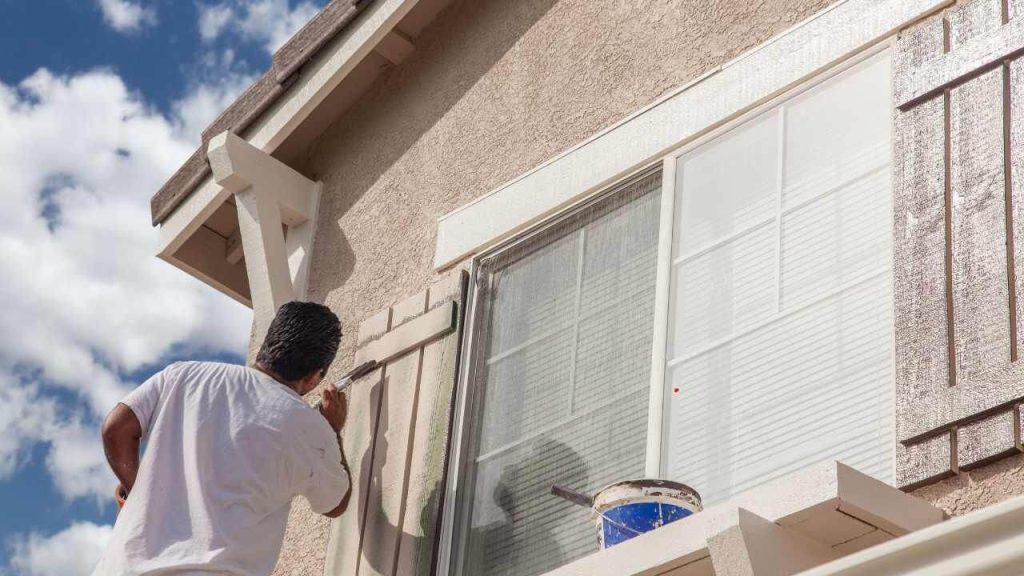
As soon as they paint the room, all the homeowner wants are perfect, smooth surfaces. But fresh finish performances rarely live up to them. Being aware of the most common reasons for patchy or streaky Painting gives you a greater opportunity to avoid those pitfalls in your next project. Knowledge of these aspects helps attain appealing, durable finishes in living areas.
Inadequate Surface Preparation
Whether it’s a high gloss finish or a standard spa finish, this factor holds utmost importance. Even eggshell paints are good, but if they dry back naturally, wash out any dirt, grease, or dust left on the wall. Dust particles that have been caught under the paint layer would create an uneven surface known as an orange peel. Any unsealed cracks, holes, or peeling areas will still allow the original surface to show through, no matter how many coats are applied.
For long-lasting results, house painters in South Auckland prioritise thorough cleaning and surface repair, since trapped dust or unsealed cracks can affect the final finish regardless of paint type.
Improper Priming Techniques
Skimping on primer or using an improper one can also create splotchy results. A primer serves as an even, solid foundation for paint. If it goes without, then porous surface areas will certainly take in the paint differently, leading to a different coloration as well as sheen. Blotchy patches: If you prime inconsistently, this can cause blotchy patches in the project, particularly on the drywall or repaired areas. Using the right primer for your materials and an even coat sets the stage for a smooth finish.
Low-Quality Paint and Tools
It is not only the technique that matters for your appearance but also the paint quality. Cheaper formulas skimp on pigment or binder, leaving patches of thin coverage or streaks. Substandard brushes or rollers lose bristles or fibres and leave marks. Applicators that are suited to the surface being treated provide a more even spread with a lower risk of noticeable application lines. The touch-ups are much less tedious and time-consuming with quality materials.
Incorrect Application Methods
The method of paint application has a significant effect on finished consistency. Exceeding the capacity of rolling on too much paint will lead to drips, pooling, or thin spots. When rolling or brushing, if you don’t maintain a wet edge, you get lap marks wherever the wet paint overlaps dry sections of the wall. When the paint dries too fast (and in direct sunlight or high heat), you get brush marks or other irregular surfaces. You can avoid many of these problems by developing a consistent, overlapping method and working in small sections.
Skipping Multiple Coats
One coat is rarely sufficient to achieve the plump, flawless look. There are some colours and a few different surfaces that require multiple coats to cover them properly. If you stop after one coat, you’ll get thin, patchy areas with the previous colour or surface imperfections bleeding through. That way, each coat dries fully before you apply the next, giving you an even finish and a richer colour.
Humidity and Temperature Issues
Environmental conditions have a significant impact on the quality of paint. High humidity delays drying, which results in paint sagging or attracting dust. Cold can cause paint to stiffen and become difficult to spread. For the best results, always go for paint jobs in ideal weather with mild temperatures and low humidity. Keeping abreast of the forecast and adjusting the painting schedule accordingly can prevent most finish issues.
Neglecting Drying Times
Hasty action can ruin even the most meticulous work. Before the last coat dries, if you apply new coats, you get smudging, sticking, or uneven sheen. Disrupting the paint too soon can cause it to blister or peel. Adhering to manufacturer recommendations on drying times maintains the continuity and attractiveness of the finish.
Conclusion
Getting a smooth finish when painting a home requires patience and care at each phase of the process. Every single step counts, from cleaning the surfaces to giving each coat drying time. Homeowners and professionals should be able to achieve smoother, more attractively painted spaces by being aware of the common causes of uneven results, which range from improper preparation and the use of the incorrect products to rushing the coat application process. The final output always compensates for the efforts in proper planning and healthy habits.



Leave a Reply
You must be logged in to post a comment.