Content Attributes
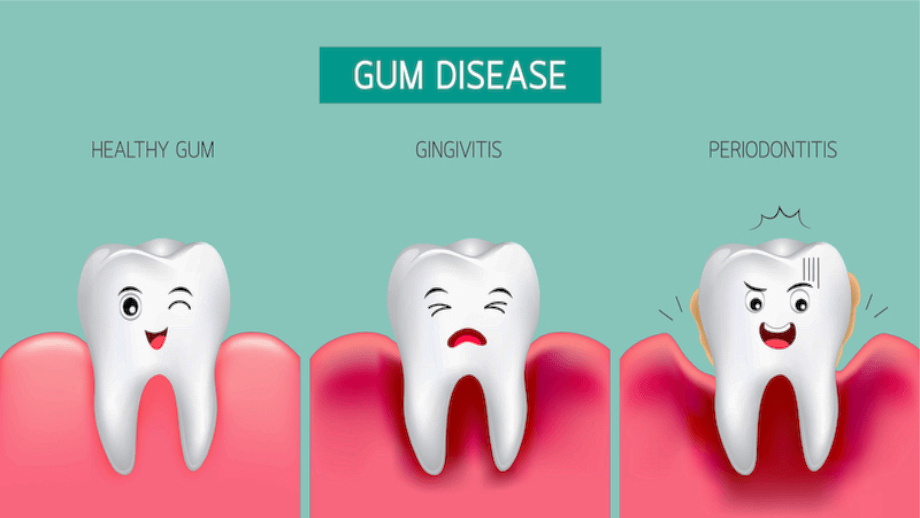
Periodontal disease (also called periodontitis or advanced gum disease) is common—and scary—because it can damage the gums and bone that hold teeth in place. The good news is: many people can keep their teeth for a long time even after being diagnosed. The honest answer to how long can you keep your teeth with periodontal disease is: it depends on severity, your risk factors, and how consistent you are with treatment and maintenance. There is no single timeline that fits everyone.
Below is a practical, easy-to-follow guide based on the patterns found across top-ranking resources (definitions, stages, risk factors, deep cleaning, maintenance intervals, and “when teeth can/can’t be saved”), plus trusted medical sources.
The Real Answer: What Decides How Long You Can Keep Your Teeth With Periodontal Disease
When people ask how long can you keep your teeth with periodontal disease, they usually want a number—like “5 years” or “20 years.” But reputable clinical guidance doesn’t give a fixed countdown, because tooth survival varies widely from person to person. In general, early treatment and consistent care greatly reduce the risk of tooth loss.
The biggest factors that affect tooth survival
Here are the most important things that influence how long can you keep your teeth with periodontal disease:
- How advanced the disease is right now: Periodontitis is diagnosed based on gum inflammation, pocket depth around teeth, attachment loss, bone loss seen on X-rays, bleeding, and tooth mobility. More bone loss usually means higher risk.
- How quickly the disease is progressing: Some people have slow progression; others have faster breakdown. Without proper care, bone support can continue to reduce over time, making teeth loose and harder to save.
- Smoking or tobacco use: Tobacco is one of the strongest risk factors. It increases risk and can also reduce how well treatment works.
- Diabetes and other health conditions: Diabetes is a recognized risk factor for gum disease. When blood sugar is not well controlled, gum problems can be harder to manage.
- Oral hygiene and plaque control at home: Periodontal disease is strongly linked to plaque and bacteria around the gumline. Your daily routine matters as much as in-clinic treatment.
- How regularly you attend maintenance visits: Periodontal disease is often managed long-term with ongoing care after initial treatment. Maintenance intervals are commonly more frequent than “normal cleanings” (often around every 3–4 months for many patients, depending on risk).
A realistic way to think about it
Instead of asking “how many years,” it helps to ask:
- Can we stop progression?
- Can we reduce pocket depth and bleeding?
- Can we stabilize bone levels?
- Can we make chewing comfortable?
- Can we keep teeth functional?
If the answer is “yes,” then how long can you keep your teeth with periodontal disease often becomes “a long time”—sometimes many years or even decades with consistent care (especially when caught before severe bone loss).
Stages of Periodontal Disease and What They Mean for Keeping Your Teeth
To understand how long can you keep your teeth with periodontal disease, you need to know what stage you’re in. Gum disease usually moves from mild inflammation to deeper infection and bone loss. The more advanced it is, the more support the teeth lose—yet even advanced cases can sometimes be stabilized with the right plan and ongoing care.
Stage 1: Gingivitis (early gum disease)
- Gums may look red, swollen, or bleed when brushing/flossing.
- At this stage, the damage is mostly inflammation and is often reversible with good cleaning and home care.
- People who act here usually have the best answer to how long can you keep your teeth with periodontal disease: often indefinitely, because bone loss hasn’t significantly started yet.
Stage 2: Early / mild periodontitis
- The infection starts affecting the attachment between gums and teeth.
- Small pockets can form around teeth.
- Bone loss may begin.
- With professional deep cleaning and strong daily habits, many people stabilize well.
Stage 3: Moderate periodontitis
- Deeper pockets, more bone loss, and sometimes gum recession.
- Teeth may begin to feel sensitive, and some mobility may appear.
- This is often where people get serious and ask how long can you keep your teeth with periodontal disease. The answer can still be encouraging—if treatment is followed and maintenance is consistent, many teeth can remain functional for years.
Stage 4: Advanced periodontitis
- Significant bone loss, deep pockets, and teeth may become loose.
- Chewing may feel uncomfortable, and multiple teeth can be at risk.
- Even here, not all teeth are automatically “lost.” Some teeth can be saved; others may not be predictable long-term.
Signs that tooth-saving is harder (but not always impossible)
If you have these, your dentist or periodontist will assess prognosis tooth-by-tooth:
- Very deep pockets that don’t improve
- Heavy bleeding and pus
- Significant tooth mobility
- Severe bone loss around specific teeth
- Bite problems or clenching/grinding
- Furcation involvement (bone loss between roots of molars)
This is why the best dental teams don’t answer how long can you keep your teeth with periodontal disease with one number. They create a plan based on each tooth’s support and your overall risk profile.
Key point: Stage matters, but so does consistency. Periodontitis is generally treated and managed long-term rather than “cured once and forgotten.”
Treatments That Help You Keep Teeth Longer With Periodontal Disease
If you’re worried about how long can you keep your teeth with periodontal disease, treatment is the turning point. The goal is to clean bacterial buildup and reduce infection so the gums and bone are not continuously damaged.
Step 1: Professional evaluation (the starting line)
A proper exam typically includes:
- Gum pocket measurements
- Bleeding check
- Mobility check
- X-rays to look for bone loss
- Review of risk factors (smoking, diabetes, medications, stress, etc.)
Step 2: Non-surgical periodontal therapy (deep cleaning)
For many patients, the first major treatment is:
- Scaling and root planing (deep cleaning below the gumline)
This helps remove tartar and bacteria from areas a toothbrush can’t reach. Many people see reduced bleeding and shallower pockets after healing (especially when combined with strong daily hygiene).
Your dentist may also recommend:
- Local or systemic antibiotics (in selected cases)
- Antimicrobial mouth rinses (as directed)
- Bite adjustment or night guard if grinding is worsening mobility
Step 3: Surgical options (when pockets remain deep)
If deep pockets don’t respond enough to non-surgical care, a periodontist may consider procedures to access and clean deeper areas or regenerate some support (case-dependent). Mayo Clinic notes the treatment goal is to thoroughly clean pockets and prevent further damage to gum tissue and bone.
Common categories include:
- Flap surgery (pocket reduction surgery)
- Bone grafting / regenerative procedures (selected cases)
- Gum grafting (mainly for recession and sensitivity, not “curing” periodontitis)
Step 4: Periodontal maintenance (this is where teeth are saved)
This is the most overlooked part—and often the most important for answering how long can you keep your teeth with periodontal disease in a positive way.
After treatment, many patients need periodontal maintenance rather than standard twice-a-year cleanings. Maintenance intervals are commonly determined by risk and can be more frequent (often around every 3–4 months for many patients).
A maintenance visit may include:
- Deep cleaning of areas where plaque returns quickly
- Re-checking pocket depths and bleeding
- Reinforcing home-care technique
- Early intervention before relapse becomes severe
Bottom line: If you treat periodontitis and keep up with maintenance, how long can you keep your teeth with periodontal disease often shifts from fear to control—because disease progression can frequently be slowed or stabilized.
Daily Habits That Decide Whether You Keep Your Teeth for Years
Even the best dental treatment can fail if daily habits don’t improve. The real-life answer to how long can you keep your teeth with periodontal disease is strongly tied to what you do every day and how reliably you follow maintenance care.
A simple daily routine (easy but powerful)
Aim for consistency, not perfection:
- Brush twice daily with a soft brush: Focus on the gumline gently, not aggressive scrubbing.
- Clean between teeth daily: Use floss, interdental brushes, or water flosser (choose what you can stick with).
- Use dentist-recommended products: Some people benefit from specific toothpaste or antimicrobial rinses—use only as advised.
- Don’t skip maintenance visits: Ongoing periodontal care is often essential for long-term stability.
Reduce the biggest risk factors
Because the CDC lists smoking and diabetes among key risk factors, addressing them can dramatically improve outcomes:
- Stop smoking / tobacco (one of the biggest improvements you can make)
- Manage diabetes with your physician (better control often supports better gum outcomes)
- Treat dry mouth if caused by medications (ask your dentist)
- Address clenching/grinding (night guard if advised)
Warning signs you need care quickly
Don’t wait if you notice:
- Bleeding when brushing
- Bad breath that doesn’t go away
- Gum swelling or pus
- Teeth shifting or spacing changes
- Loose teeth or discomfort when biting
Early intervention can be the difference between keeping teeth and losing them.
When a tooth may not be savable (and why removal can be the healthiest choice)
Sometimes the kindest, safest plan is removing a tooth that has a hopeless prognosis. This usually happens when:
- Bone support is extremely low and mobility is severe
- Infection returns quickly despite good care
- The tooth cannot function comfortably
- Saving it would risk nearby teeth or overall oral health
This can feel like failure—but it isn’t. Periodontitis can affect multiple teeth, and protecting the rest of your mouth matters. The CDC recognizes periodontitis as a leading cause of tooth loss, which is exactly why strong prevention and maintenance are so important.
The hopeful truth
If you’re asking how long can you keep your teeth with periodontal disease, remember this:
- Many people keep most (or all) of their teeth for many years with proper treatment and maintenance.
- The earlier you start, the better the outlook.
- Even advanced disease can sometimes be stabilized tooth-by-tooth with specialist care.
Quick FAQ (Bonus)
Often a long time—especially if you treat early, improve home care, and keep regular dental visits.
It depends on bone loss, tooth mobility, and how well you respond to treatment. Some teeth may be saved; others may not be predictable long-term.
Many patients with a history of periodontitis are placed on more frequent maintenance intervals based on risk (often around 3–4 months), but your dentist/periodontist decides your schedule.
Medical disclaimer
This article is educational and does not replace a dentist’s diagnosis. If you have bleeding gums, loose teeth, or pain, book a dental or periodontal evaluation.