Content Attributes
When your garage door suddenly won’t open, won’t close, or looks like it may fall, it’s more than annoying—it can be unsafe and can leave your home exposed. That’s exactly when emergency garage door repair matters. A garage door is heavy, has moving parts, and uses high-tension springs and cables. In an emergency, the goal is simple: keep people safe, prevent more damage, and restore security quickly.
This guide explains what counts as a true emergency, what you should do in the first 10 minutes, what a professional will fix during garage door emergency repair, how pricing usually works, and how to pick the right help—whether you’re searching for emergency garage door repair near me or you specifically need emergency garage door repair Houston.
What Counts as Emergency Garage Door Repair (And the Most Common Causes)?
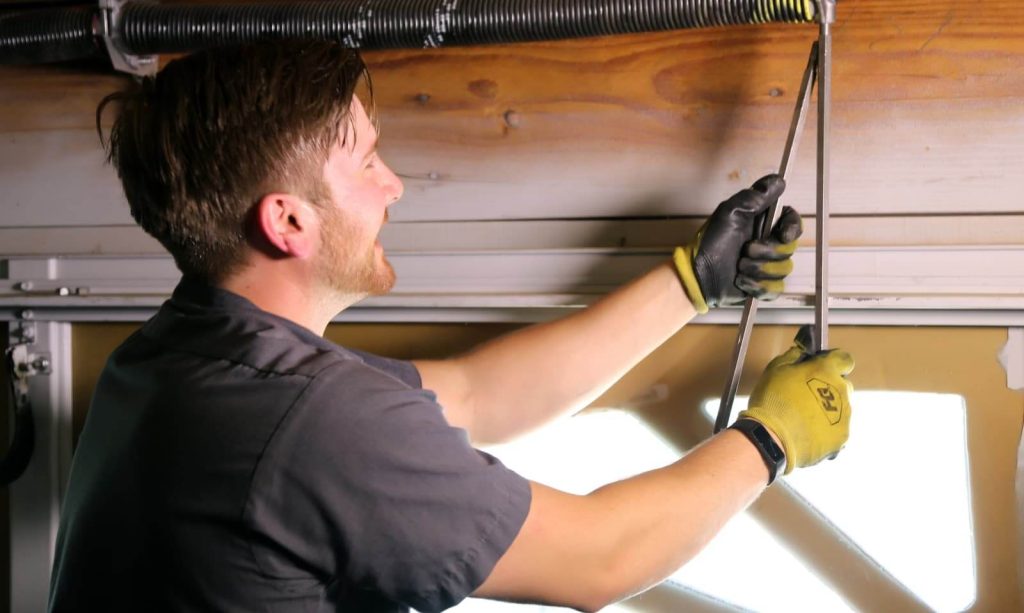
Not every garage door issue is an emergency, but many are. Emergency garage door repair usually means the door is unsafe to operate, your home is not secure, or your vehicle is trapped and you can’t wait days for an appointment. A stuck door at night, a door that won’t close during rain, or a door that looks tilted and unstable can all qualify as garage door emergency repair.
Situations that are truly “emergency”
Here are the most common emergency scenarios:
- Door won’t open and your car is trapped (work, school, medical needs).
- Door won’t close, leaving your garage and home vulnerable.
- Broken spring (often you hear a loud “bang,” then the door feels extremely heavy).
- Frayed or snapped cables, or the door looks crooked/uneven.
- Door came off the track or is hanging at an angle.
- Opener runs but the door doesn’t move, or the door reverses suddenly.
- Safety sensor problems that prevent closing, especially at night or during bad weather.
- Damaged panels from impact (car bump, storm debris) that affect movement or security.
Why these problems can get dangerous fast?
A garage door system is designed to balance weight using springs. When a spring or cable fails, the door can become unstable and may drop quickly. That’s why most reputable guidance says to avoid forcing the door and to call a professional when springs/cables are involved. Springs and cables are also the parts that can cause injury if handled incorrectly. In other words, emergency garage door repair is often a safety decision, not just a convenience.
Common causes behind emergency breakdowns
Most emergency calls come down to a short list:
- Broken torsion or extension spring (wear and tear over time).
- Cable issues (fraying, slipping off drum, snapping).
- Track misalignment (loose bolts, impact, bent track).
- Roller failure (worn rollers can jam or derail).
- Opener or power issues (outage, blown outlet/GFCI, faulty logic board).
- Sensor misalignment (small bump, dirt, sunlight interference).
- Remote/wall control issues (dead battery, lock mode enabled).
Many top-ranking repair guides also mention quick checks like power, obstructions, tracks, and safety sensors before calling in help—but they warn against DIY force or spring work.
If your situation matches the emergency list above, treat it as emergency garage door repair and focus on safety first.
What to Do Immediately (First 10–15 Minutes) Before You Call Emergency Help?
In a real emergency garage door repair moment, what you do right away can prevent injuries and avoid extra damage. The best approach is calm, simple, and safe. You do not need special tools to do the first steps.
Step 1: Keep people and pets away from the door
If the door is tilted, jerky, or hanging, do not stand under it. Keep kids and pets clear. If a cable has slipped or a track is bent, the door could shift suddenly. This is one of the biggest reasons garage door emergency repair calls are urgent.
Step 2: Don’t force the opener or keep pressing the remote
If the opener strains while the door won’t move, repeated attempts can burn out the motor or damage the rail system. Several emergency guides warn against forcing the door because it can create bigger, more expensive problems.
Step 3: Do quick, safe checks (no disassembly)
These checks are safe and often solve “false emergencies”:
- Power check: Is the opener plugged in? Did a breaker trip? Is the outlet/GFCI reset?
- Remote check: Replace the battery; try the wall button.
- Sensor check: Wipe the photo eyes; make sure both sensors face each other and lights are steady.
- Track area check: Look for obvious objects (stones, debris) near rollers and tracks.
- Weather check: Ice or swelling can stick the bottom seal to the floor.
Many “door won’t open” articles recommend these exact checks because they’re quick and low-risk.
Step 4: Use the emergency release only if it’s safe
If the power is out or the opener isn’t working, many garages have an emergency release cord (often red) that disconnects the door from the opener trolley. After you pull it, you may be able to lift the door manually—but only if the door is balanced. A properly balanced door should lift without feeling like dead weight. If it feels extremely heavy, stop; that can indicate a broken spring, and that’s a classic emergency garage door repair case.
Important safety note: If you suspect a broken spring or cable problem, avoid lifting the door alone. Doors can be very heavy without spring support.
Step 5: Secure the garage if the door won’t close
If the door is stuck open and you can’t close it:
- Remove valuables from plain view if possible
- Turn on exterior lights
- If safe, block access from inside the house (lock the door between garage and home)
- Call emergency garage door repair near me immediately
What information to give the technician on the phone?
To speed up your garage door emergency repair, share:
- Door type (single/double, manual/automatic)
- What happened (bang sound, stuck halfway, crooked door)
- Any visible issues (cable hanging, roller out, track bent)
- Whether your car is trapped
- Your location (especially if requesting emergency garage door repair Houston for faster dispatch)
These details help the tech bring the right springs, cables, rollers, or opener parts on the first trip.
What a Professional Fixes During Garage Door Emergency Repair?
A trusted technician approaches emergency garage door repair in a predictable order: safety inspection, stabilization, root-cause diagnosis, then repair and testing. Understanding this process helps you avoid scams and know what you’re paying for.
What technicians typically do first?
In most garage door emergency repair visits, the first goal is to make the door safe:
- Check if the door is off-track or at risk of falling
- Identify broken springs, snapped cables, or loose hardware
- Disconnect the opener if it’s being damaged by the issue
- Stabilize the door so it won’t slam or shift
After that, they diagnose the exact failure.
Common emergency repairs and what they involve
Here are the repairs most often handled in emergency garage door repair calls:
1) Broken spring replacement
Broken springs are one of the most common emergencies. Many pros recommend replacing springs in pairs (when applicable) for balanced performance and longer life.
- What’s done: correct spring sizing, replacement, winding/adjustment, balance test.
2) Cable repair or replacement
Cables can fray or snap; sometimes they slip off the drum.
- What’s done: replace cables, reset drums, balance door, verify track alignment.
3) Track alignment or roller repair
If the door is out of alignment or rollers are worn, the door can jam or derail.
- What’s done: straighten/realign track, replace rollers, tighten brackets.
4) Opener and sensor troubleshooting
Sometimes the door is fine but the opener or sensors fail.
- What’s done: sensor alignment/cleaning, force and travel adjustments, gear/board diagnosis.
5) Panel damage and emergency securing
After impact damage, a tech may secure the door so it closes safely, then schedule full panel replacement later.
Why “emergency” pricing can be higher?
Emergency garage door repair often costs more than scheduled repairs because:
- After-hours dispatch (night/weekends/holidays)
- Faster same-day parts sourcing
- Higher labor urgency
- Extra safety work (stabilizing an unsafe door)
Pricing varies widely by region and parts, so it’s smarter to focus on transparent estimates than exact numbers in a guide. When you call emergency garage door repair near me, ask for:
- Trip/dispatch fee (if any)
- Labor rate and minimum labor time
- Parts cost range (springs, cables, rollers, sensors)
- Warranty on parts and labor
- Total estimate before work begins
Signs of a trustworthy emergency repair service
A reliable garage door emergency repair provider usually:
- Explains the cause in simple language
- Shows the damaged part (spring, cable, roller) before replacing
- Provides an itemized invoice
- Tests the door balance and safety reverse after repair
- Offers a clear warranty
Many emergency service pages also emphasize that the tech should help prevent repeat issues by explaining maintenance and warning signs.
This is where E-E-A-T matters in real life: experience, practical knowledge, and safety-first behavior are the difference between a solid fix and another breakdown next week.
How to Find Emergency Garage Door Repair Near Me?
When you’re stressed and searching emergency garage door repair near me, it’s easy to pick the first listing. But the best choice is the one that shows real proof of quality, fair pricing, and fast response. This section helps you choose quickly—without getting trapped by hidden fees.
A fast checklist to choose the right company
When calling for emergency garage door repair, use this checklist:
Credentials & trust
- Do they have a real local address/service area and phone support?
- Do they use trained technicians (not random subcontractors)?
- Can they explain the issue clearly and give a price range?
Response & availability
- True 24/7 or only “extended hours”?
- Typical arrival window and whether they call before arriving
- Do they carry common parts on the truck?
Pricing transparency
- Ask for an estimate range before dispatch
- Ask if there’s an after-hours fee
- Ask if they charge extra to “quote” (many don’t)
Warranty & proof
- Warranty on parts and labor in writing
- Reviews that mention emergency response and honesty
- Photos of work or clear service descriptions
What to say on the phone (quick script)?
If you’re calling emergency garage door repair near me, you can say:
- “My door is stuck [open/closed/halfway] and I need emergency garage door repair.”
- “I suspect [broken spring / cable issue / off track].”
- “Is there an after-hours fee? Can you give a total estimate range?”
- “Do you provide a warranty on parts and labor?”
This pushes the conversation toward clarity and protects you from surprise pricing.
Emergency garage door repair Houston: local considerations
If you specifically need emergency garage door repair Houston, keep these practical points in mind:
- Storm and humidity effects: Severe weather can cause sudden damage (debris impact, water intrusion into sensors, swelling around the bottom seal).
- Large service radius: Houston is spread out. Ask if the dispatcher is sending a tech from your side of town to reduce wait time.
- 24/7 “dispatch location” language: Some Houston pages list dispatch locations and 24/7 hours; still ask for realistic arrival windows and full cost range.
Preventing the next emergency (simple maintenance that helps)
A little prevention reduces future emergency garage door repair calls:
- Monthly visual check: Look for frayed cables, loose bolts, and bent track sections.
- Keep sensors clean: Wipe dust off the photo eyes and ensure alignment.
- Listen for changes: Grinding, squealing, or popping sounds are early warning signs.
- Test balance carefully: If the door feels unusually heavy, stop using it and schedule service.
- Lubricate moving parts (lightly): Rollers and hinges often benefit from proper lubrication (avoid overdoing it).
These small habits can help you avoid late-night garage door emergency repair situations, especially when weather changes or high daily use wears parts down.
Quick FAQ (inside this section, for fast answers)
Yes, it often is. The door can become extremely heavy and unsafe. Many pros recommend calling immediately and often replacing springs as a set when needed.
Sometimes—if it’s balanced and not suffering from a spring/cable failure. Use the emergency release carefully, and stop if the door feels too heavy.
Common reasons include sensor misalignment/dirty sensors, track obstruction, or opener force settings. Basic checks are okay, but repeated failures may require emergency garage door repair if the door can’t secure your home.
Call a local service, describe the symptoms clearly, and ask about total cost range, after-hours fees, and warranty. Searching emergency garage door repair near me is fine, but verify transparency before dispatch.
Final Takeaway
A true emergency garage door repair situation is about safety and security. If your door is stuck open, off-track, unusually heavy, or showing signs of spring/cable failure, treat it as garage door emergency repair and avoid forcing the system. Do the safe checks, secure your home, and call a qualified technician—especially if you need emergency garage door repair near me or you’re looking for emergency garage door repair Houston with fast dispatch and clear pricing.




Leave a Reply
You must be logged in to post a comment.